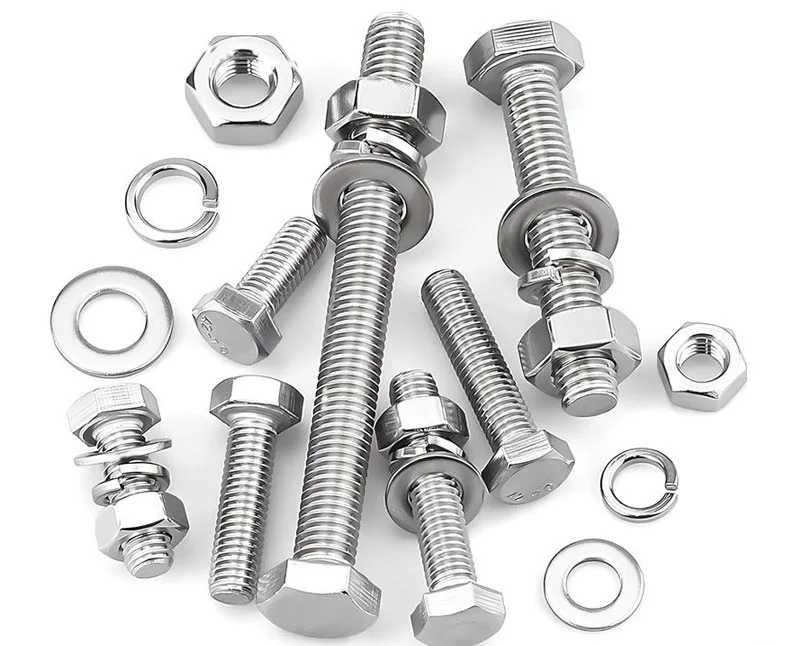


The Importance of Heavy Duty Hook and Eye Fasteners
Fasteners are one of those things that most people only really notice when there is a problem. A loose gate. An interrupted chain overhang. A workshop setup that wobbles every time you use it. It is usually at that point when the value of reliable fastening hardware becomes all too real.Heavy Duty Hook Eye Fasteners are one of those components that appear simple but work behind the scenes a lot. They are widely used in factories, warehouses, construction projects, garages, marina setups, and home improvement jobs where real strength and reliability matter.
And the truth is, when you start looking for them, they are everywhere. These fasteners secure heavy doors, keep chains and cables from getting tangled, and hold up structural elements. They might seem miniature, but these little tools are engineered to withstand pressure, weight, and frequent use without quitting in the middle of a task.
What Are Heavy Duty Hook Eye Fasteners?
The basic structure of a hook eye fastener has two components:- A hook component
- An eye-shaped loop or ring
More often than not, you’ll see them paired with:
- Eye Bolts
- Screw Hooks
- Chains and steel cables
- Pulley systems
- Industrial gates and machinery
Common Uses in Industrial and Commercial Environments
Construction Sites
Construction teams regularly utilize hook eye systems to attach temporary barriers, support equipment, and safely manage suspended loads. One contractor described good fastening hardware as the kind of stuff nobody discusses unless it fails. Fair point, honestly.Warehouses and Storage Units
These fasteners are used to organize hanging systems, secure storage chains, and support heavy-duty shelving racks in warehouses. Strong Lifting Hardware plays a major role when equipment is being shifted many times during the day.Marine and Outdoor Installations
Metal components can take a beating outdoors. Rain, dust, humidity, and changing temperatures slowly damage weaker materials. That is why stainless steel or corrosion-resistant Hook Eye Fasteners are extensively used near coastal areas, docks, and agricultural surroundings.Home Workshops and Garages
Even users are now opting for industrial-grade hardware instead of cheaper alternatives. And honestly? It makes sense. Nobody wants a ceiling storage rack dropping tools in the middle of the night. That’s the kind of sound you never forget.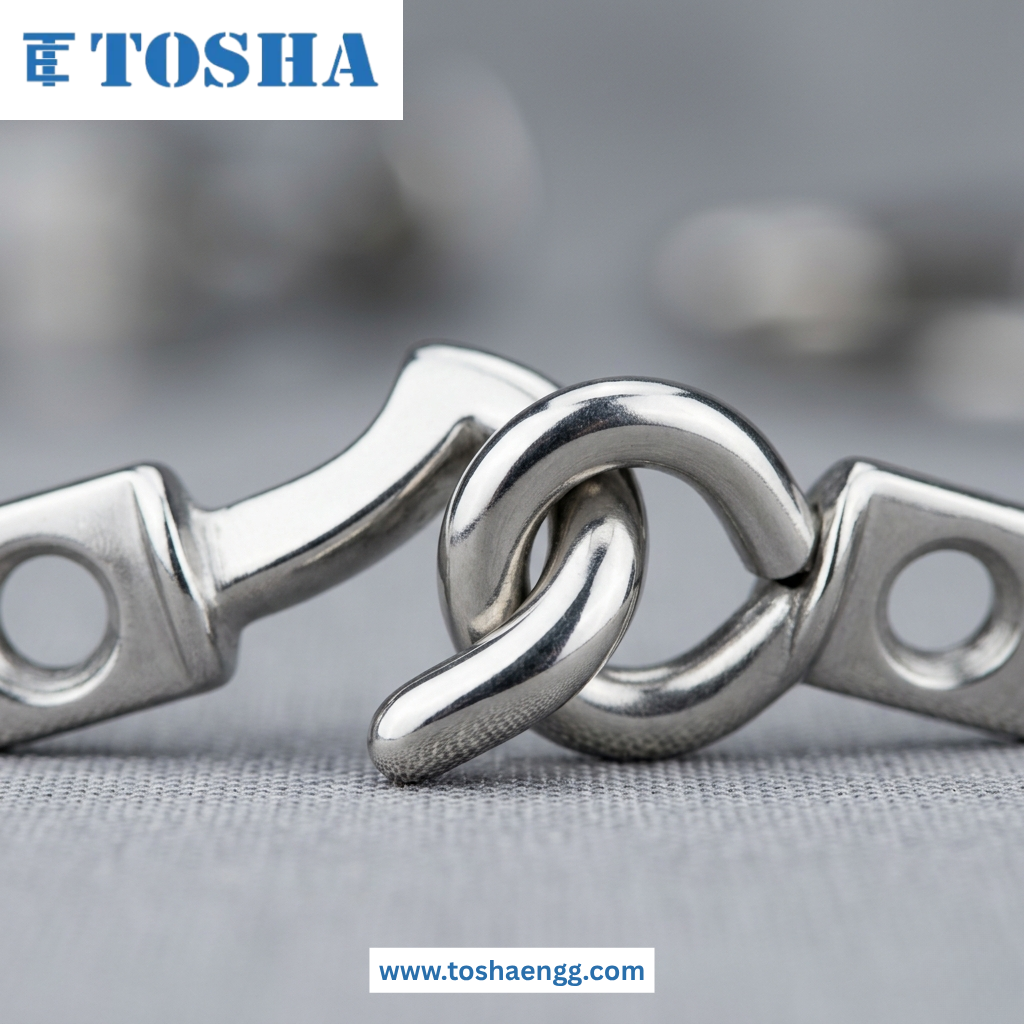
Different Categories of Hook Eye Fasteners
Not all projects need the same kind of hardware. The right style makes a world of difference.Screw Hooks
Screw Hooks are threaded fasteners that twist directly into wood or wall anchors. They are commonly used for hanging tools, lighting, chains, or storage equipment. Heavy-duty versions are thicker, stronger, and designed to prevent bending under heavy loads.Eye Bolts
Eye Bolts feature a circular loop attached to a threaded shaft. They provide stable anchor points for ropes, cables, or lifting systems. They’re widely used in:- Rigging operations
- Material handling
- Industrial machinery
- Suspension systems
Open Hook Fasteners
These are suitable when quick attachment and removal are needed. They are common in temporary or adjustable arrangements. Nevertheless, they should always be selected according to the required load capacity.Why Material Quality Matters?
People often overlook material quality. Two fasteners that appear identical online may perform completely differently after months of use. Common materials include:| Material | Best For |
| Stainless Steel | Outdoor and corrosion-prone environments |
| Carbon Steel | Heavy industrial applications |
| Galvanized Steel | Moisture resistance and general durability |
| Brass | Decorative or lighter-duty applications |
Corrosion resistance becomes a major factor when the fastener will face moisture, chemicals, or changing weather conditions. Cheap hardware usually fails silently over time. First comes rust. Then weakening. Then suddenly something shifts out of place.
Not ideal.
Contact us for more information!
Load Capacity Should Never Be Overlooked
This part matters a lot. Every fastening component comes with a load limit. Ignoring it can lead to safety hazards, equipment damage, or expensive repairs. Always check the following when selecting Lifting Hardware:- Working load limits
- Material strength
- Installation surface
- Environmental exposure
- Dynamic vs static load requirements
Installation Tips for Best Performance
No matter how strong a fastener is, it won’t perform properly if installed incorrectly. Here are a few practical tips:Match the Fastener to the Surface
Wood, concrete, steel, and drywall all require different installation methods.Avoid Overloading
Many people assume heavy duty means unlimited strength. It doesn’t. Always stay within the recommended load range.Inspect Regularly
Industrial attachment systems should be checked periodically for:- Rust
- Bending
- Cracks
- Thread damage
- Loosening
Selecting the Appropriate Industrial Attachment Solutions
There’s no universal “best” fastener. The right choice depends on the application. Before buying, ask yourself:- What weight will it support?
- Will it be used indoors or outdoors?
- Does it need corrosion resistance?
- Is vibration involved?
- Will the connection be temporary or permanent?
Also Read: High Performance Engineering & Heavy-Duty Applications: Industrial Grade Fasteners
Conclusion
Hook eye fasteners may look like simple metal components, but they play a huge role in safety, stability, and long-term performance. Whether you are using Eye Bolts, Screw Hooks, or specialized Lifting Hardware, the difference between low-quality and high-quality parts can be bigger than many people realize.The right Heavy Duty Hook Eye Fasteners can improve performance, reduce maintenance problems, and provide peace of mind in both industrial and home setups. Because at the end of the day, strong systems depend on strong connections. Sometimes the tiniest hardware carries the biggest responsibility.