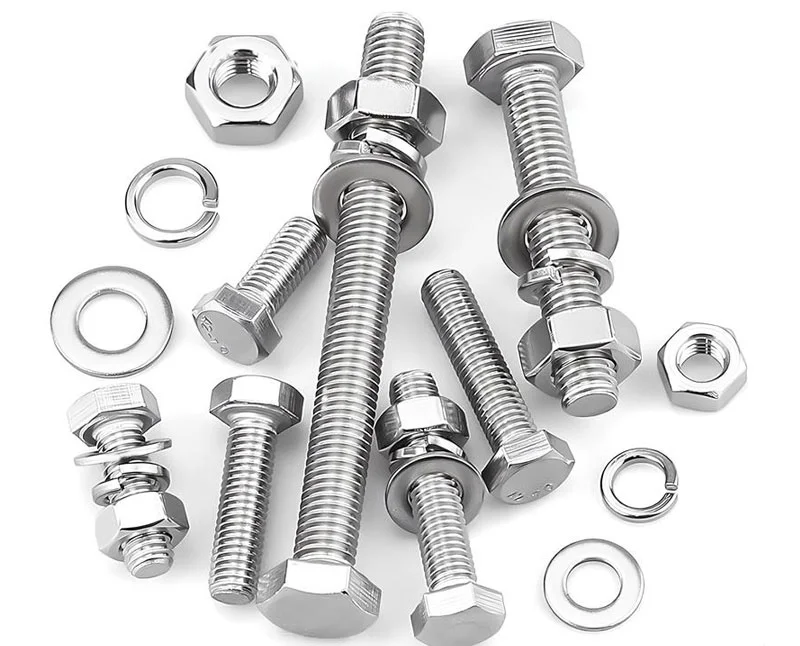


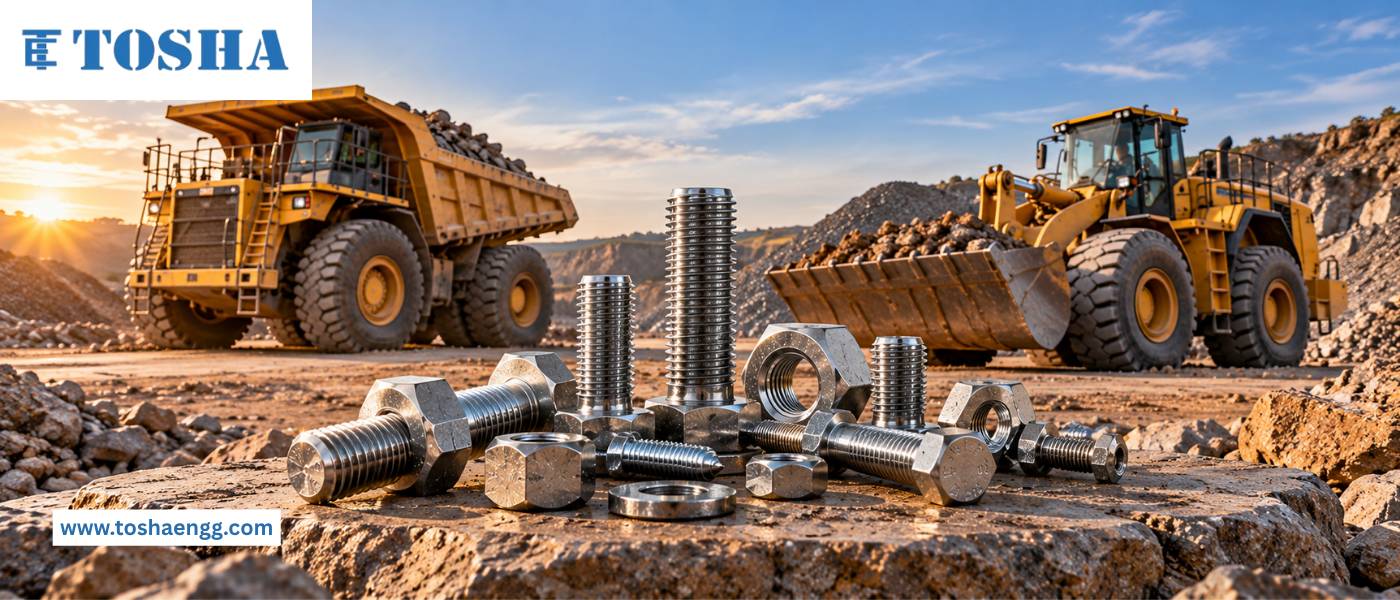
This is where Off Highway Equipment Fasteners become especially important. Bolts, nuts, screws, and other fastening components may seem like small parts of a much larger machine, yet their quality and suitability can make a real difference to equipment reliability and maintenance.
For manufacturers, choosing the right fasteners involves more than matching thread sizes or selecting the strongest available grade. The application, operating environment, material compatibility, installation method, and expected service life all need consideration. Understanding these factors helps manufacturers build equipment that can withstand demanding working conditions while supporting efficient assembly and maintenance.
What are Off-Highway Equipment Fasteners?
Off Highway Equipment Fasteners are mechanical fastening components used in machinery that operates primarily away from public roads. This includes excavators, wheel loaders, bulldozers, mining equipment, agricultural machinery, and other heavy-duty industrial vehicles.Unlike components used in light-duty applications, these fasteners often experience repeated loading, vibration, shock, and exposure to outdoor conditions. A machine working on uneven ground may subject its joints to changing forces throughout the day. Over time, unsuitable fasteners or incorrectly assembled connections can contribute to loosening, wear, or premature failure.
The right fastening solution helps secure machine components according to their engineering requirements. It also supports consistent manufacturing, easier servicing, and dependable performance throughout the equipment's working life.
Where are Fasteners Used in Heavy Equipment?
Excavators and Wheel Loaders
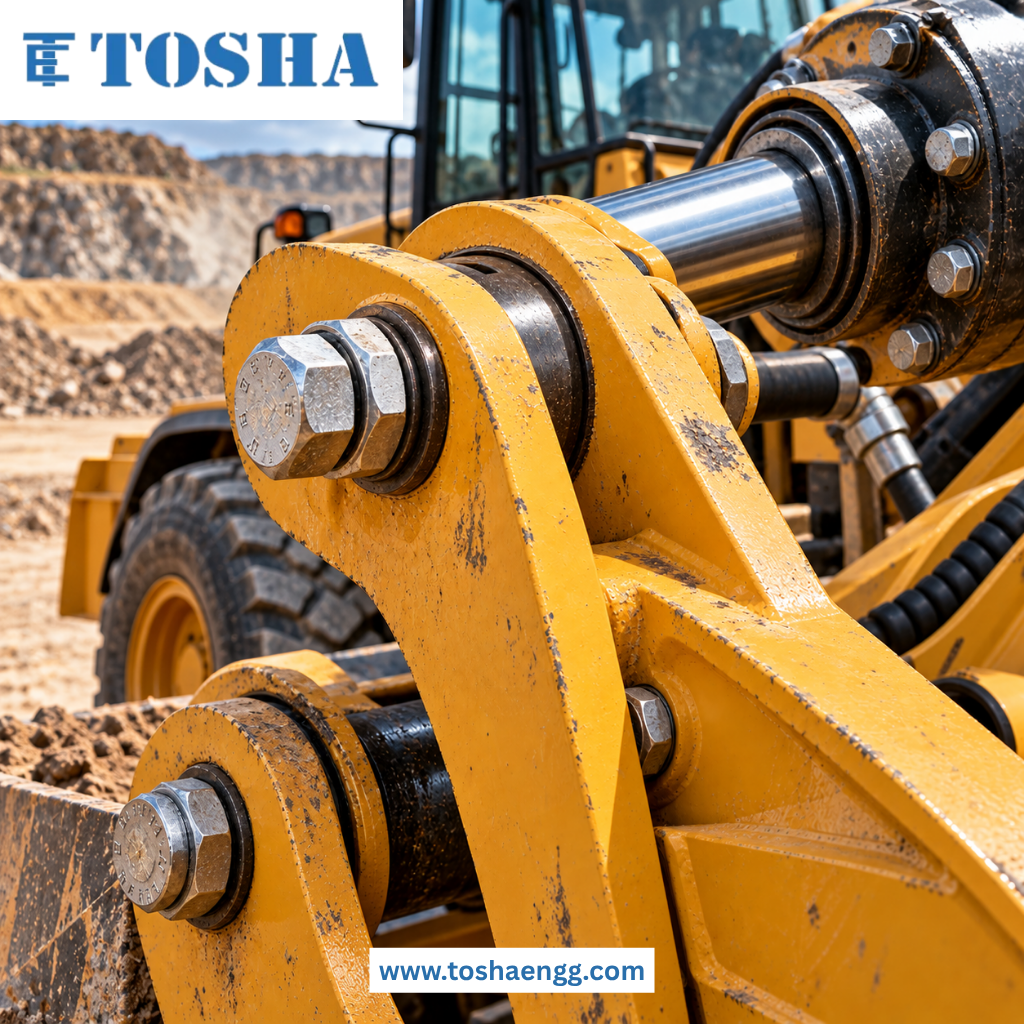
Excavators and loaders operate under demanding conditions. Digging, lifting, loading, and moving materials place repeated forces on different parts of the machine.Fasteners for Excavators and Loaders may be used in equipment frames, engine mounts, protective covers, brackets, cab assemblies, and other designed connections. Certain applications, such as bucket attachments and undercarriage assemblies, also face substantial impact and abrasive wear.
For manufacturers, the important consideration is understanding the demands of each connection. A bolt used to secure a protective panel has different requirements from one used in a heavily loaded structural assembly. Selecting the appropriate specification for each application helps avoid unnecessary costs without compromising performance.
Bulldozers and Mining Machinery
Bulldozers and mining machines often work in environments filled with rock, soil, dust, and debris. Their components may experience substantial impact forces and repeated changes in loading.In these conditions, Heavy Equipment Fasteners must be selected with mechanical strength, fatigue resistance, thread engagement, and environmental exposure in mind. Components used around tracks, blades, and ground-engaging parts may also need to account for abrasive wear.
Manufacturers should evaluate these applications individually rather than assuming that one fastener specification will suit every connection across the machine.
Frames, Mountings, and Engine Assemblies
A heavy machine relies on numerous interconnected assemblies to transfer loads and maintain structural stability. Frames, mounting brackets, engine housings, and transmission components all require fastening systems appropriate to their design.Construction Machinery Bolts are commonly used in suitable structural and mechanical connections throughout construction equipment. Their dimensions, material grade, and tightening requirements should be based on the design specifications and expected operating conditions.
Correct installation is just as important as the bolt itself. Even a properly specified fastener may not perform as intended if the joint is assembled incorrectly or tightened using an unsuitable procedure.
Why Fastener Strength Matters in Heavy Machinery
Heavy equipment is designed to perform demanding tasks repeatedly, often for long working shifts. Fastening components must therefore withstand the loads expected in their specific applications without compromising the integrity of the connection.High Strength Fasteners for Heavy Machinery may be required where higher mechanical strength is specified by the engineering design. However, selecting a higher-strength bolt does not automatically guarantee better performance.
The complete joint matters. Bolt grade, material properties, thread condition, clamping force, mating surfaces, and tightening procedures all influence how the connection behaves under load. A fastener that is too strong for an improperly designed or incompatible joint does not eliminate the underlying problem.
Manufacturers should follow approved engineering specifications and verify that the selected fastener is appropriate for the loads, geometry, and operating conditions involved.
Managing Vibration in Off-Highway Equipment
Vibration is one of the challenges manufacturers need to address when designing heavy machinery. Engines, hydraulic systems, moving tracks, rough terrain, and repeated lifting cycles can expose connections to continuous vibration and changing loads.Over time, certain joints may lose clamping force or experience fatigue if their design and assembly are not suitable for the application. This can lead to maintenance issues, unexpected downtime, and additional repair costs.
Vibration Resistant Fasteners can help address these challenges when selected as part of a properly engineered fastening system. Depending on the joint, suitable solutions may include specified locking nuts, prevailing-torque fasteners, flange fasteners, or other approved locking arrangements.
However, no single locking method is ideal for every situation. The operating temperature, vibration pattern, installation requirements, and maintenance needs should guide the decision. Correct tightening and adequate joint design remain essential to long-term reliability.
How to Choose the Right Fasteners for Equipment Manufacturing
Selecting fasteners becomes easier when manufacturers evaluate the application before finalizing the product specification.Operating loads and working conditions should be considered first. Determine whether the connection will experience static loads, repeated movement, shock, or substantial vibration. The fastener must meet the requirements of the complete assembly.
Material and corrosion resistance are also important. Equipment may operate in rain, mud, dusty environments, or areas exposed to moisture and other corrosive substances. The selected material and protective finish should suit the expected exposure and remain compatible with the connected components.
Dimensions and thread specifications must match the equipment design. Bolt diameter, length, pitch, head style, and thread engagement all influence fit and assembly. Substituting a different fastener without checking compatibility can create avoidable problems.
Standards and quality requirements should be verified before production or procurement. Depending on the application, manufacturers may specify ISO, DIN, ASTM, or other relevant standards. Required material grades, inspection procedures, and documentation should be confirmed against the project specifications.
Finally, consider installation, servicing, and total cost. A suitable fastener should meet the technical requirements while supporting efficient assembly and practical maintenance. Looking only at the purchase price can overlook the cost of replacement, downtime, and repeated repairs.
The Importance of Choosing the Right Fastener Supplier
For equipment manufacturers, sourcing is about more than finding components at the right price. Consistent specifications, dependable availability, accurate product information, and clear communication are important when managing production schedules and maintenance requirements.Before requesting a quotation, prepare the fastener dimensions, material grade, applicable standard, quantity, finish, and intended application. Drawings or existing part numbers can also help clarify requirements, especially when a project involves specialized components.
Tosha Engineering provides industrial fastening and engineering products for a range of applications. Manufacturers looking for suitable fastening components can explore the Tosha Engineering Private Limited and discuss their requirements with the company.
Clear technical communication helps ensure that the products being considered match the actual application. For critical structural or safety-related connections, final specifications should always be confirmed against the equipment manufacturer's engineering requirements.
Conclusion
Off-highway machinery works hard, and the components holding it together must be selected with the same care as its larger mechanical systems. From excavators and loaders to bulldozers and mining equipment, each application presents its own combination of loads, vibration, impact, and environmental exposure.Choosing suitable Off Highway Equipment Fasteners starts with understanding these demands. Strength, material compatibility, corrosion resistance, thread specifications, installation procedures, and applicable standards all contribute to fastening performance.
For manufacturers, a thoughtful selection process can support reliable equipment assembly, simplify maintenance, and help avoid preventable fastening problems. By combining sound engineering practices with clear supplier communication, businesses can make more informed decisions about the fastening components used in their machinery.