

They’re not flashy. Nobody writes headlines about them. But ask any engineer working on bridges, factories, or large buildings, and they’ll tell you reliable anchoring is everything. When equipment weighs several tons or structures must survive years of stress, the anchoring system underneath must be rock solid. Let’s talk about why engineers trust these solutions so much.
The Role of Anchoring Products in Modern Construction
Anchoring systems act like the roots of a tree. You don’t always see them, but they keep everything stable. In construction and industrial installations, Anchoring Products connect heavy structures to concrete or solid foundations. Whether it’s installing large compressors in a factory or mounting steel frameworks in a building, these components prevent movement and maintain structural integrity.Without proper anchoring, even small vibrations can slowly loosen connections over time. And that’s the kind of issue engineers try to avoid from day one. A contractor once shared a simple rule of thumb: If the anchor fails, everything above it is at risk. That pretty much sums up why choosing the right anchoring solution matters so much.
Why Heavy-Duty Anchors are Often the First Choice
Strength Where It Matters Most
Large machines and structural frameworks generate enormous pressure on their connection points. This is where Heavy Duty Anchors come into play. These anchors are specifically designed to handle higher loads and resist pull-out forces from concrete or masonry. Engineers rely on them when installing equipment that needs to stay fixed in place for years. You’ll commonly find them supporting:- Industrial machinery
- Steel columns
- Safety rail systems
- Heavy mechanical units
How Mechanical Anchoring Systems Improve Reliability
Smart Design for Secure Installations
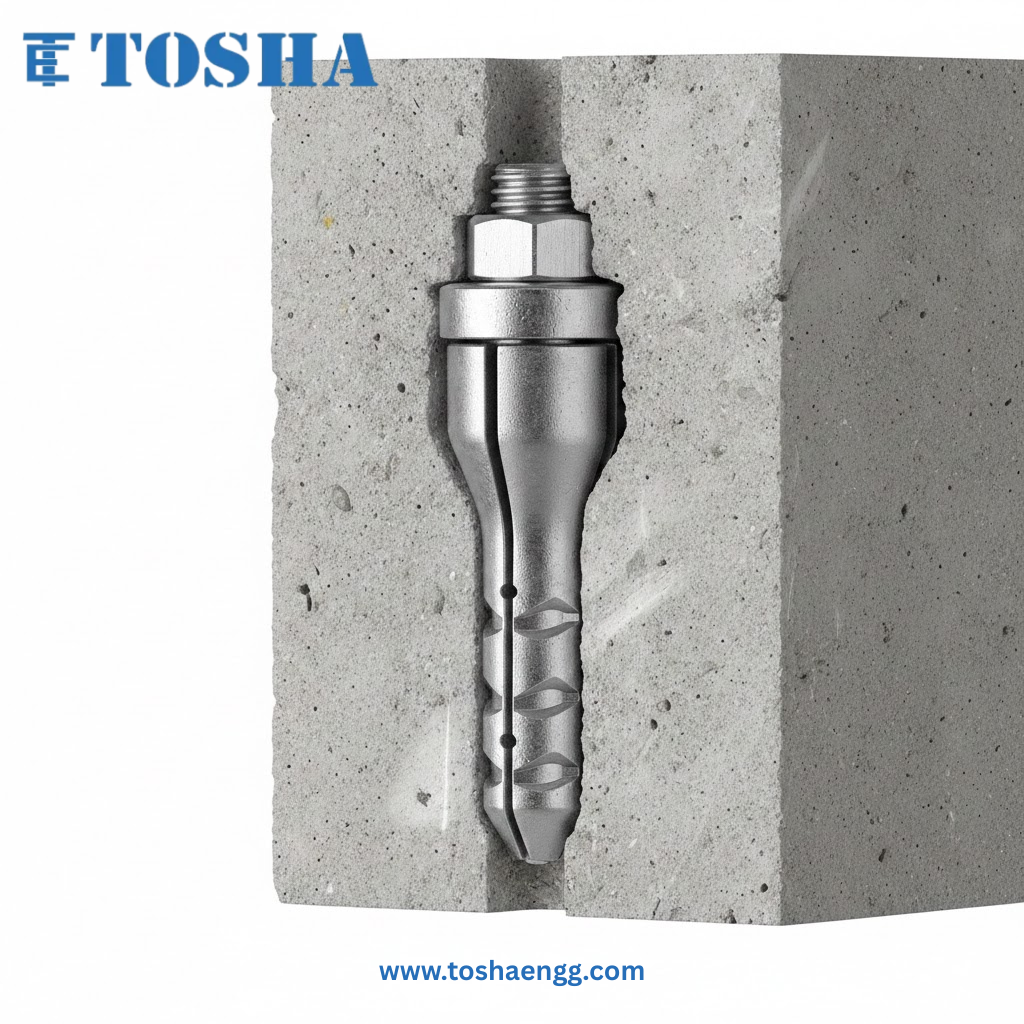
Another popular choice among engineers is Mechanical Anchoring Systems. These systems expand inside drilled holes, creating a tight grip within the base material. The result? A secure connection that distributes force evenly. One of the reasons professionals prefer these systems is their predictable performance. When installed correctly, mechanical anchors provide consistent holding power, which is crucial in projects where safety standards are strict. And let’s be honest, nobody wants surprises when dealing with structural installations.Construction Anchors and Industrial Fasteners Working Together
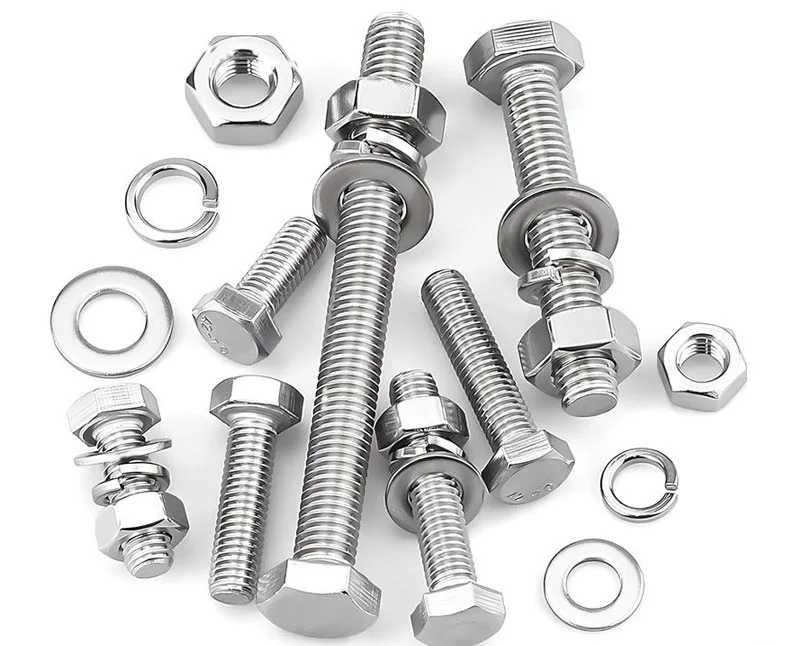
In most projects, Construction Anchors don’t work alone. They’re often used alongside other Industrial Fasteners like bolts, nuts, and washers to create a complete fastening system. Think of it like a team effort. Anchors secure the base, while fasteners hold the connected components together. When both are engineered properly, the result is a strong and dependable structure. From warehouses and manufacturing plants to infrastructure projects, this combination plays a key role in long-term safety and performance.Conclusion
Behind every stable structure is a reliable foundation, and that foundation often depends on well-designed Anchoring Products. Whether it’s Heavy-Duty Anchors, advanced Mechanical Anchoring Systems, or specialized Construction Anchors, these components help engineers build installations that stay secure for years. They may be small compared to the structures they support, but their role is anything but minor. Combined with high-quality Industrial Fasteners, anchoring systems provide the strength and stability that modern construction and industrial projects depend on every day.