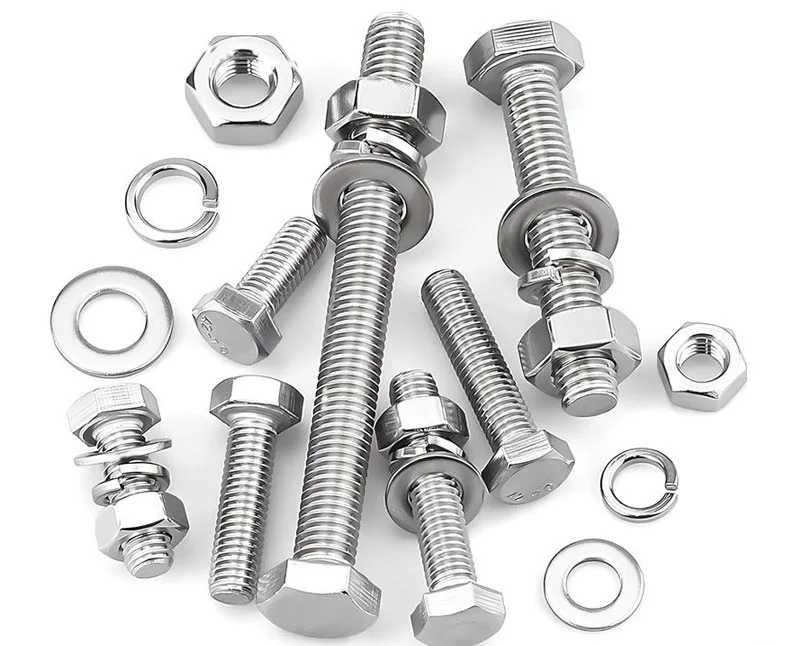


The Growing Demand for Stronger Connections
Modern engineering projects are bigger, faster, and more demanding than ever before. Think about wind turbines, large manufacturing machines, or high-load construction equipment. These structures experience constant vibration, pressure, and temperature changes.Standard bolts sometimes struggle to keep up with these conditions. Over time, they may loosen, wear out, or fail under heavy loads. That’s where High-Performance Fasteners come in. These advanced fastening solutions are designed to handle intense environments without compromising safety. Many engineers now rely on them because they provide stronger clamping force, improved durability, and better resistance to fatigue. In simple terms, they’re built for tougher jobs.
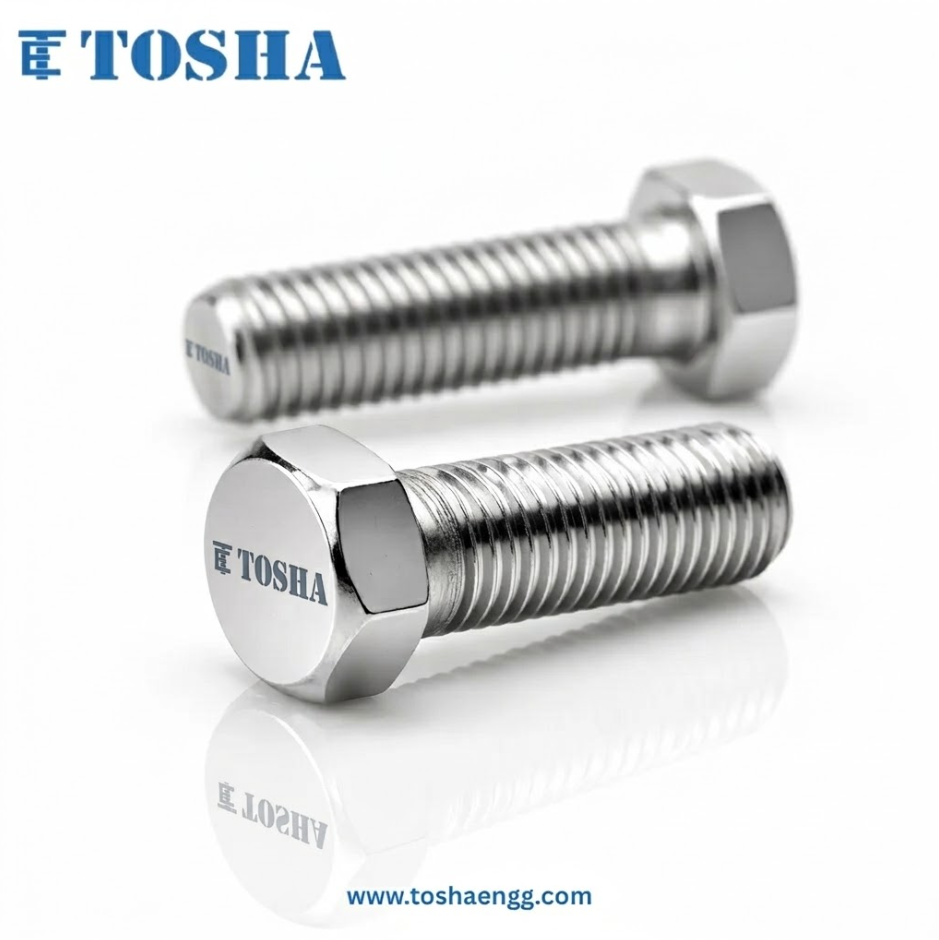
What Makes High Performance Fasteners Different?
Better Materials and Engineering
Unlike regular bolts, High Performance Fasteners are usually manufactured using high-grade alloys or specially treated steel. This allows them to withstand higher stress levels without cracking or bending. Many industries combine these fasteners with Structural Bolts when assembling heavy frameworks, bridges, or steel structures. The combination creates stronger joints that stay secure even under massive loads. Another benefit? Consistency. Engineers want components they can trust every single time, and advanced fastening solutions offer exactly that.Why Heavy Industries Prefer Them
Built for Tough Industrial Environments
Factories, oil plants, and large mechanical systems demand reliable Heavy-Duty Fasteners. Machines run for hours sometimes days without stopping. Even a small failure can cause expensive downtime. High-performance fastening systems are designed to resist corrosion, vibration, and extreme temperatures. That’s why they’re widely used as Industrial Fasteners in sectors like automotive manufacturing, energy, mining, and heavy machinery production. A maintenance engineer once described it perfectly: You rarely notice a fastener doing its job, but you notice when it fails. That’s exactly why industries prefer stronger solutions.The Role of Precision Engineering Hardware
Small Components, Big Responsibility
Modern machines rely on precise Engineering Hardware to function smoothly. Fasteners are a big part of that system. High-performance variants help maintain alignment, distribute loads evenly, and reduce the risk of structural movement. This makes equipment safer and more reliable over long periods of operation. In many cases, replacing standard bolts with advanced fasteners can extend the life of an entire machine or structure.The Future of Industrial Fastening
Engineering standards are evolving quickly. As machines become more powerful and projects become more complex, the demand for durable fastening systems will only grow.High-performance fasteners aren’t just a trend they’re becoming the new normal in modern engineering. And honestly, once you see the difference in reliability and strength, it’s easy to understand why engineers are making the switch.
Conclusion
At first glance, fasteners might seem like small, ordinary components. But in engineering, they play a critical role in holding everything together literally. By switching to High Performance Fasteners, engineers gain stronger connections, improved safety, and longer-lasting structures. Whether it’s large machinery, steel frameworks, or industrial equipment, these advanced Industrial Fasteners and Engineering Hardware are helping modern projects perform better and last longer. Sometimes the smallest upgrade can make the biggest difference and in the case of high-performance fastening systems, that difference is pretty impressive.