

Tapping screws are different from ordinary screws in that they are made to be used with appropriate materials without the need for a hole with threads or any other parts. This can cut assembly times and increase efficiency in production operations, especially where thousands of parts need to be assembled in a uniform manner.
What is a Tapping Screw?
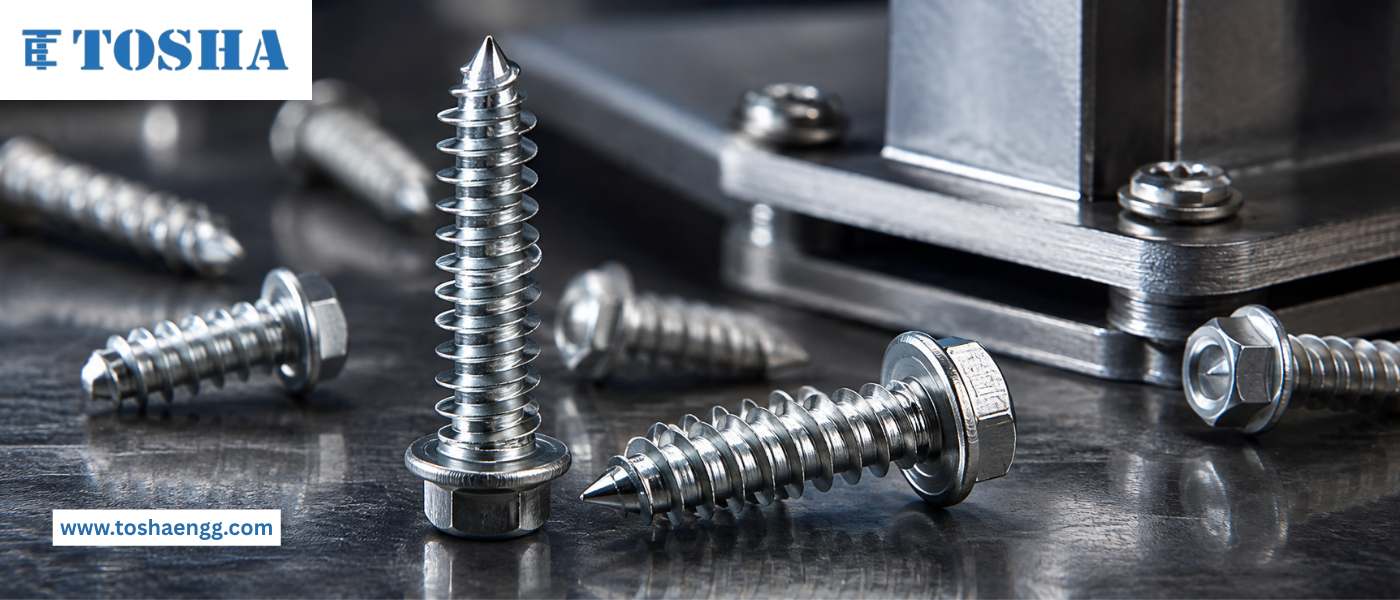
Tapping Screws are fasteners that cut their own mating threads when they are driven into a prepared hole or, depending on the design and material, straight into the workpiece. The screw’s particular thread design enables it to penetrate the material and make a secure fastening connection.Self-Tapping Screws are used extensively in sheet metal, plastics, wood, and other appropriate materials. Customisation in head styles, drive types, thread patterns, and point configurations can be adapted to the application and obtain the desired fastening performance.
This makes them an easy choice for producers looking for easy assembly but without sacrificing the quality of the connection.
How Tapping Screws Improve Industrial Fastening Efficiency
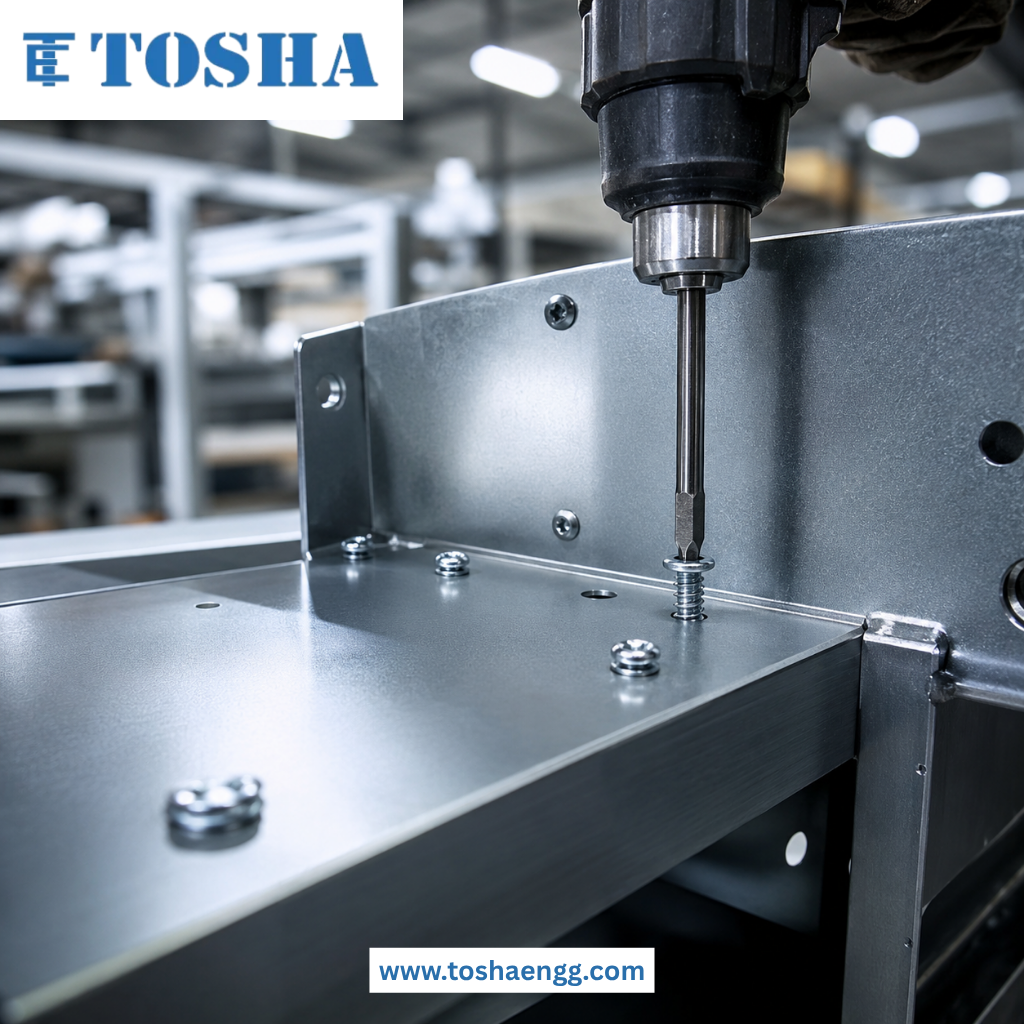
One of the major benefits of Industrial Screws is that they can help make installation easier. Many varieties of tapping screws may form or cut threads as they are installed, which allows producers to reduce the number of separate machining and fastening procedures required.Even a tiny cut in installation time might mean big gains in efficiency if you’re producing in massive volumes. You can get more products out faster, with fewer people and less complicated assembly.
A further major advantage is their adaptability. Tapping Screws are a popular type of metal fastener and come in a variety of materials, sizes, thread patterns and finishes so the engineer may select the right one for the application. For example, stainless steel types can offer superior corrosion resistance in situations where moisture or chemical contact could be a problem.
Contact us for more information!
Thread Forming Screws vs. Traditional Fastening Methods
Thread Forming Screws form their mated threads by displacing material instead of using a pre-cut threaded hole. In appropriate applications, this can offer a tight, stable connection and reduce the need for separate tapping operations.For manufacturers, removing redundant steps in the process can simplify assembly lines and lower costs of production. “Material thickness, hardness, hole size, installation torque and load requirements all impact performance, so it’s critical to select the right screw design.
The right screws can also prevent problems such as stripped threads, loose connections, and damage during installation.
How to Select the Proper Tapping Screws for Your Industrial Application
The appropriate fastener should be chosen based on the material and working circumstances of the application. Before installation, you should evaluate the screw diameter, pitch, point style, head design, material grade, corrosion resistance, and holding strength necessary.This process can be made easier by working with an expert Fastener Manufacturing Company. A trusted manufacturer can assist companies find the right specs and ensure consistent fastener quality for large-scale industrial needs.
Applications of Tapping Screws
Tapping screws are often utilised in manufacturing and assembly applications where efficient fastening is a must. You can find them in electrical equipment, automotive parts, machinery, metal fabrication, appliances, HVAC systems, enclosures and general industrial assembly.The quick installation, adaptability and dependable holding capabilities combine to make them suited for many manufacturing applications.
Also Read: Machine Parts and Accessories: The Backbone of Modern Industrial Manufacturing
Conclusion
Tapping Screws provide an efficient fastening solution for sectors that require faster assembly, fewer processing stages and reliable connections. From self-tapping screws to specialised thread forming screws, there are many designs to fulfil the demands of diverse materials and applications.Choosing the right Industrial Screws and partnering with a reliable Fastener Manufacturing Company may increase the efficiency of the fastening process, ensuring constant quality and performance.