

What Makes Industrial Riveting Solutions So Reliable?
A rivet works in a straightforward way. It’s inserted through aligned holes in two or more materials and then deformed at one end to lock everything together. Once installed, the connection becomes permanent. That permanence is exactly why many industries rely on Industrial Riveting Solutions. Rivets resist vibration extremely well, which makes them perfect for structures or machines that experience constant movement.Think about trains, aircraft, or heavy equipment. These machines operate under continuous stress. A connection that can loosen over time just isn’t ideal. Rivets, being Permanent fasteners, remove that concern altogether. There’s also something engineers appreciate consistency. Once a rivet is installed properly, it tends to stay exactly where it belongs.
Understanding the Different Types of Rivets
Blind Rivets for Hard-to-Reach Areas
One of the most common fastening options today is Blind rivets. These are particularly useful when only one side of the material is accessible. For example, when assembling sheet metal panels in machinery or equipment, workers often can't reach the backside. Blind rivets solve that problem. They’re installed using a special tool that expands the rivet from one side, creating a secure joint. Because of their convenience, blind rivets are widely used in automotive assembly, HVAC systems, and lightweight structures.Solid Rivets for Maximum Strength
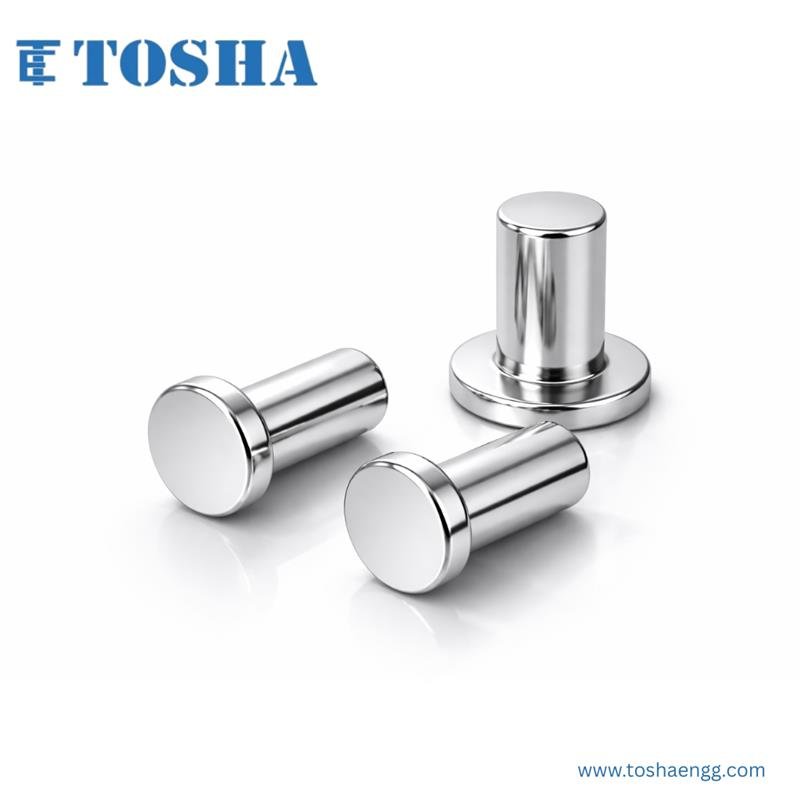
If you’ve ever seen photos of old steel bridges or aircraft fuselages, you’ve probably spotted rows of Solid rivets. These rivets are among the strongest fastening options available. They’re typically used in high-load applications where durability is critical. Installing them requires access to both sides of the material, which is why they’re commonly used in heavy manufacturing and structural installations. Their strength and reliability have kept them relevant for decades.Structural Rivets for Heavy-Duty Applications
In situations where strength and vibration resistance are essential, engineers often turn to Structural rivets. These rivets are designed for demanding conditions things like heavy equipment frames, transportation systems, and industrial structures. They provide strong clamping force while still being easier to install than traditional bolts in certain situations. In many cases, they serve as a practical alternative when welding isn’t ideal. That flexibility is why they’ve become a key part of modern Industrial Riveting Solutions.When Rivets are Better Than Bolts
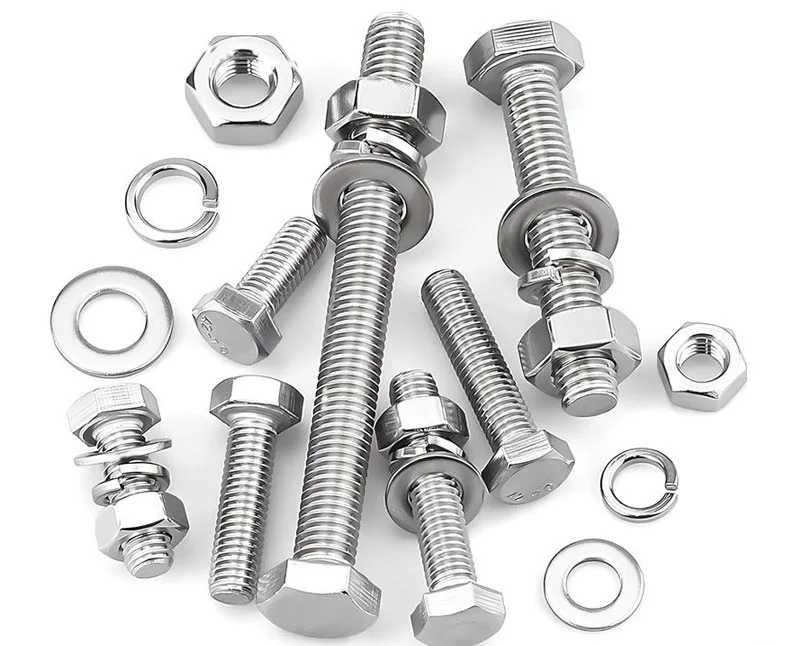
Bolts are great when you need a connection that can be removed later. But not every project needs that flexibility. Rivets shine in applications where:- Vibration is constant
- Maintenance access is limited
- Long-term reliability is critical
Conclusion
Even in a world filled with modern fastening technologies, Industrial Riveting Solutions continue to play a vital role. Their ability to create strong, vibration-resistant joints makes them ideal for many industrial and structural applications. From Blind rivets used in tight spaces to Solid rivets and Structural rivets built for strength, these Permanent fasteners provide reliability that engineers trust. Sometimes the best solution isn’t the newest one it’s the one that’s proven to work, year after year, connection after connection.