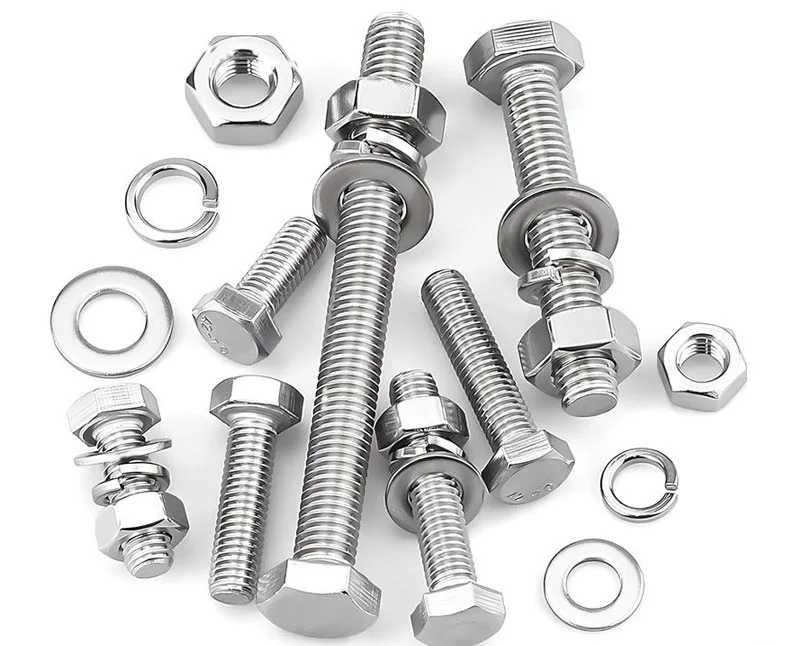


At Tosha Engineering Private Limited, we’ve seen how something as simple as a threaded rod can make or break a project. Sounds dramatic? Maybe a little but in construction, small failures can lead to big problems.
What are Threaded Rods?
Understanding the Basics
Threaded rods are long, straight metal rods with threads running along their length. These threads allow them to be used with nuts and other fasteners to hold materials together securely. Think of them like extra-long screws just without a head. They’re commonly used in:- Structural frameworks
- HVAC installations
- Electrical setups
- Plumbing systems
Types of Threaded Rods You Should Know
Fully Threaded Rods
These are threaded from one end to the other. Fully Threaded Rods are super versatile and widely used when strong grip along the entire length is needed. They’re perfect for:- Heavy-duty anchoring
- Joining materials across longer distances
- Adjustable installations
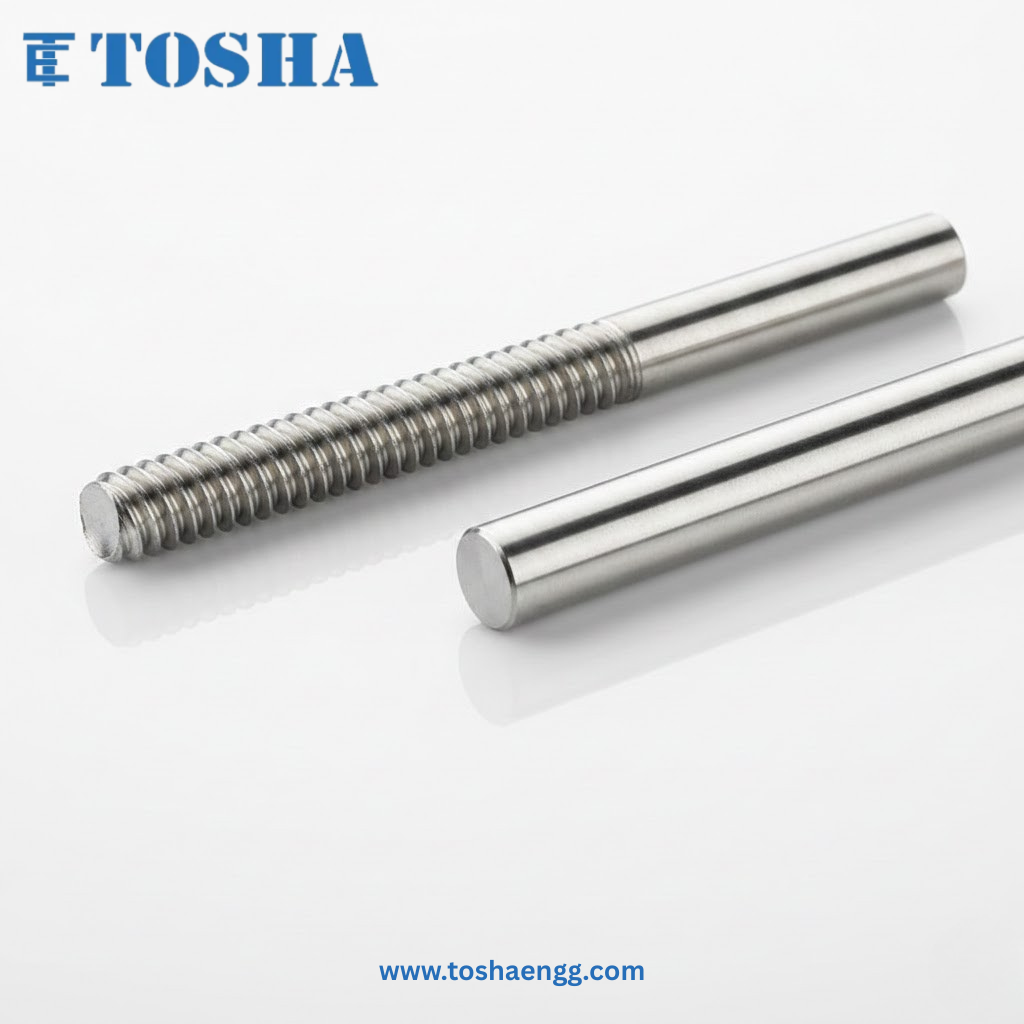
Stud Bolts
Now, Stud Bolts are a bit more specialized. They’re threaded on both ends, with an unthreaded section in between sometimes. You’ll often find them in:- Flange connections
- Petrochemical industries
- High-pressure environments
Why Threaded Rods Matter in Modern Construction
Strength You Can Rely On
Construction isn’t just about putting things together it’s about making sure they stay together. Threaded rods provide consistent strength and load distribution, which is critical for safety.Flexibility in Design
One underrated benefit? Flexibility. These rods can be cut, extended, or adjusted easily. That’s why engineers love them they fit into different designs without much hassle.Cost-Effective Solution
Let’s be real budget always matters. Compared to other Industrial Fastening Solutions, threaded rods are affordable and efficient. You get durability without blowing the budget.Real-World Example (Because It Helps)
We once worked with a contractor who was struggling with alignment issues in a structural setup. Traditional bolts weren’t doing the job properly. Switching to fully threaded rods allowed them to adjust positioning more precisely and the issue was solved faster than expected. Sometimes, the simplest solution really is the best one.Contact us for more information!
Common Applications of Threaded Rods
Where You’ll See Them Most
- Supporting ceilings and suspended structures
- Anchoring steel frameworks
- Securing heavy machinery
- Connecting large structural components
How to Choose the Right Threaded Rod
A Few Practical Tips
- Material matters: Stainless steel for corrosion resistance, carbon steel for strength
- Thread type: Match it with nuts and application needs
- Load requirements: Always check weight capacity
- Environment: Outdoor? Go for coated or galvanized rods
Also Read: Riveting Solutions That Last: Types, Uses & When to Choose Rivets Over Bolts
ConclusionThreaded rods might not get much attention, but they’re a backbone of modern construction. From simple installations to complex industrial setups, they offer strength, flexibility, and reliability all in one. If you’re working on a project where stability really matters and let’s face it, when does it not choosing the right threaded rod isn’t just a technical decision. It’s a smart one. And honestly, once you start using them the right way, you’ll wonder how you managed without them.