
Industrial Pins and Keys: The Backbone of Precision Alignment and Power Transmission

Industrial Pins and Keys: The Backbone of Precision Alignment and Power Transmission

If you’ve ever looked closely at how machines stay together not just big parts, but the tiny connections you’ll notice something interesting. It’s often the smallest components doing the most critical work. That’s where Industrial Pins and Keys quietly step in. They might not look impressive at first glance, but without them, even the most advanced machinery would fall apart… literally.

What are Industrial Pins and Keys, Really?

In simple terms, Fastener Industrial Pins and Keys are fastening and positioning elements used to align parts, hold components together, and transfer motion or torque. Think of them like the unsung heroes inside machines they ensure everything stays exactly where it should, even under pressure. From automotive engines to heavy industrial equipment, these components help maintain stability and precision.
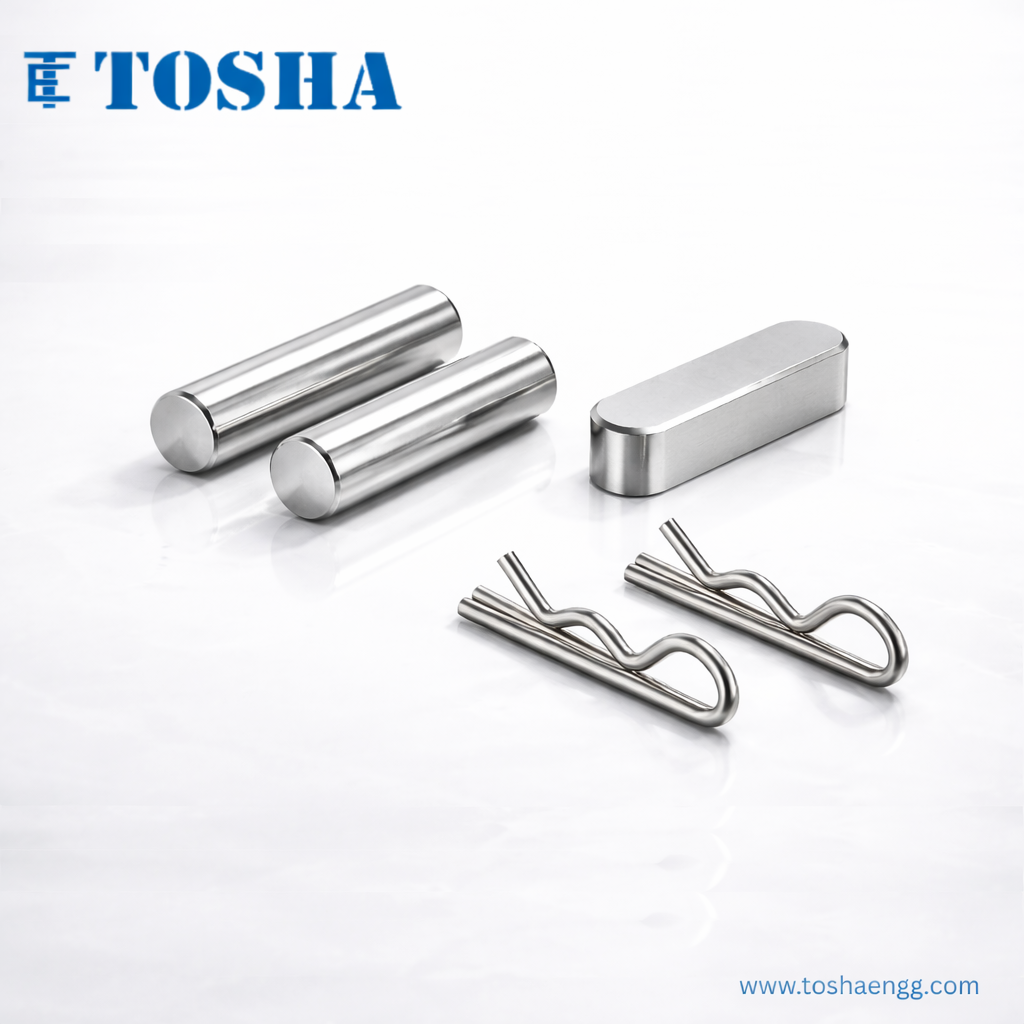
 
Fastener Pins and Keys
 

Why They Matter More Than You Think

Here’s the thing even a tiny misalignment in machinery can cause vibration, wear, or complete failure over time. That’s where these components make a real difference.
  • Precision Alignment

Pins like Parallel Pins and Taper Pins help align machine parts with high accuracy, reducing operational errors.
  • Secure Fastening

Components such as Clevis Pins and Cotter Pins are widely used for quick assembly and disassembly without compromising safety.
  • Efficient Power Transmission

Keys and Keystock are essential when it comes to transferring torque between shafts and rotating elements.

Types of Industrial Pins You Should Know

Not all pins are created equal. Each type has its own job, and choosing the right one matters.
  • Spring Pins

Also known as roll pins, Spring Pins are flexible and absorb shock, making them ideal for dynamic loads.
  • Parallel Pins

These are straight, cylindrical pins used for precise positioning simple but super effective.
  • Taper Pins

Designed with a slight taper, they lock tightly into place, ensuring strong alignment.
  • Grooved Pins

Grooved Pins have ridges that grip the hole walls, offering a secure fit without additional hardware.
  • Clevis Pins & Cotter Pins

These are commonly used together. Clevis Pins act as a pivot, while Cotter Pins or Spring Cotters lock them in place.

Understanding Keys and Their Role

While pins focus on positioning, Keys are all about motion and force.

What exactly are Keys?

Keys are inserted between a shaft and a hub to transmit torque. Without them, rotating parts would simply spin freely.

Keystock Explained

Keystock is basically raw material used to create custom-sized keys. It’s handy when standard sizes just don’t fit your application.

Choosing the Right Components (A Quick Thought)

I’ve seen cases where the wrong pin caused unnecessary downtime not because it broke instantly, but because it slowly affected alignment. So yeah, picking the right type isn’t just technical… it’s practical.
  • Consider load and stress
  • Think about environment (corrosion, vibration, etc.)
  • Match the size and tolerance carefully
It sounds basic, but it saves a lot of trouble later.

Conclusion
At the end of the day, Industrial Pins and Keys might be small, but their impact is huge. They ensure machines run smoothly, stay aligned, and perform efficiently over time. Whether it’s Spring Pins, Taper Pins, or Keystock, each component plays a specific role and getting it right can make all the difference between smooth operation and costly repairs.
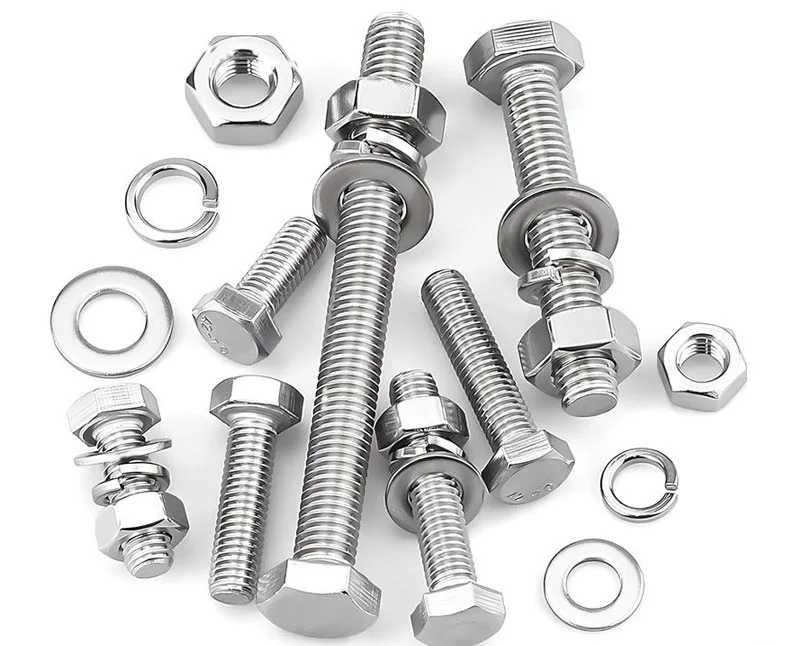
FAQs About Fastener Pins and Keys

Q1. What are Industrial Pins and Keys used for?

Ans: They are used for aligning, fastening, and transmitting power between machine components.

Q2. What is the difference between pins and keys?

Ans: Pins mainly help in positioning and fastening, while keys are used to transmit torque between rotating parts.

Q3. Where are Spring Pins commonly used?

Ans: Spring Pins are used in applications where shock absorption and flexibility are required.

Q4. Why are Cotter Pins important?

Ans: Cotter Pins lock components like Clevis Pins in place, preventing accidental disassembly.

Q5. What is Keystock used for?

Ans: Keystock is used to manufacture custom keys for specific shaft and hub connections.