

In 2026, projects aren’t just bigger they’re smarter, faster, and way more demanding. From infrastructure builds to industrial machinery, engineers are asking more from every component. And honestly? Fasteners are no longer just hardware. They’re safety devices in disguise. Let’s unpack why these fasteners matter more than ever without making it feel like a mechanical engineering textbook, promise.
What are High Tensile Fasteners and Why Everyone’s Talking About Them?
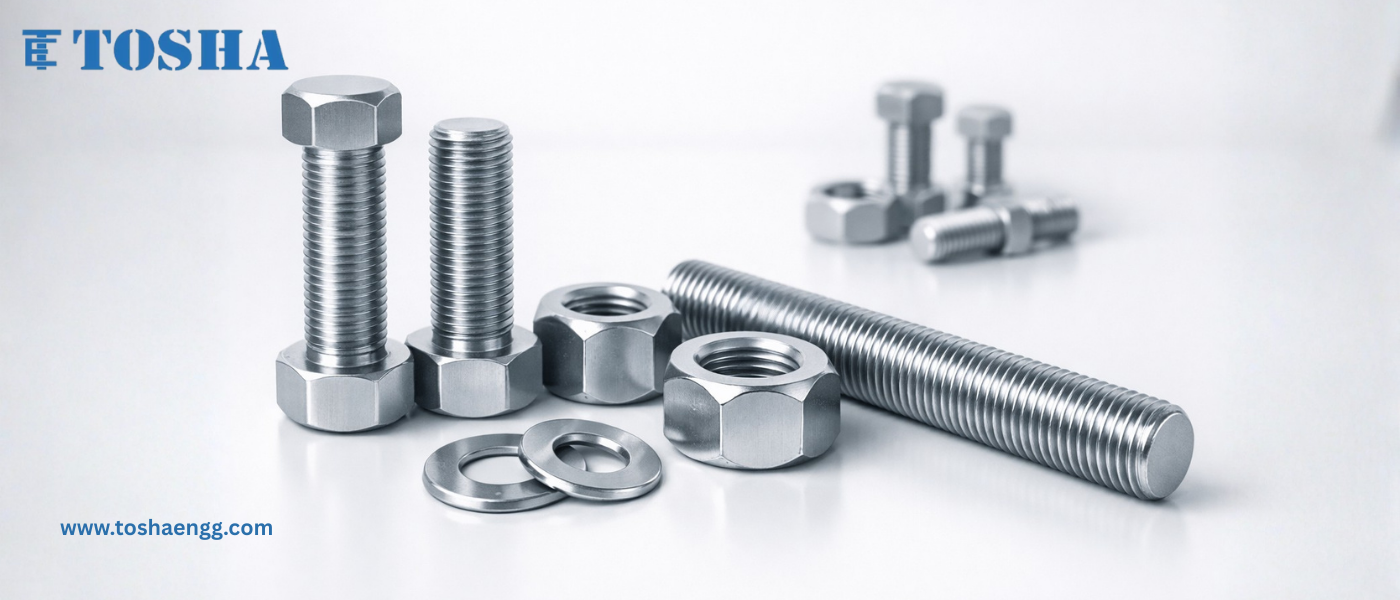
High tensile fasteners are bolts, nuts, and screws designed to handle extreme stress, pressure, and vibration without snapping, bending, or loosening. Think bridges, cranes, wind turbines, heavy-duty machines basically anything where failure is not an option.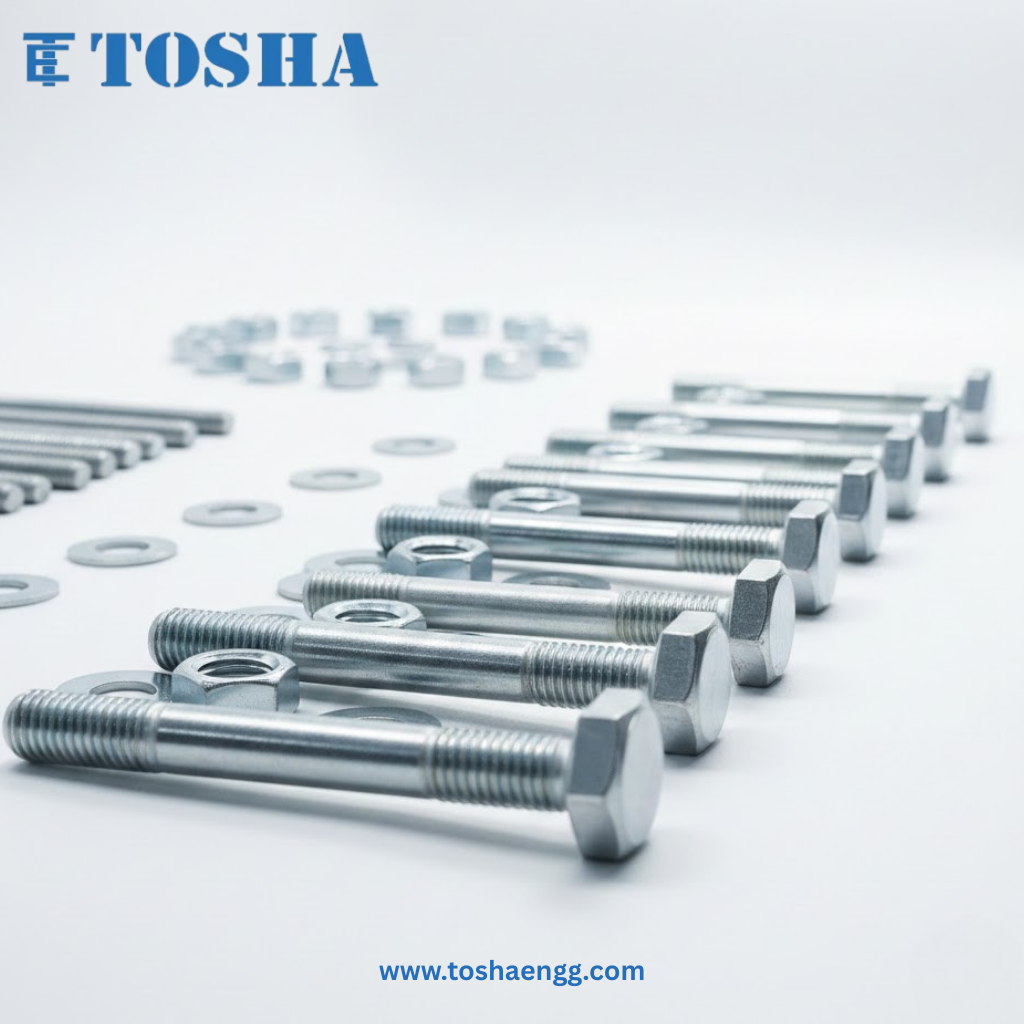
A structural engineer I once spoke to joked, We don’t notice fasteners unless they fail and then it’s already too late. That stuck with me. These fasteners are usually made from specially treated alloy steels and tested to meet strict fastener quality standards, ensuring consistent strength and performance. In real-world terms? They hold things together when conditions get rough heat, load, movement, you name it.
Why 2026 Projects Demand Stronger Fasteners Than Before
Here’s the thing: modern construction and manufacturing aren’t slowing down they’re levelling up. We now build:- Taller buildings
- Heavier machines
- Faster-moving infrastructure
- Longer-lasting structures
Plus, sustainability is a big focus now. Projects are designed to last decades with minimal maintenance. Using low-grade fasteners that corrode or loosen early? That’s not just risky it’s expensive in the long run. Industrial teams are also becoming choosier about where they source from. A trusted industrial fastener manufacturer today isn’t just selling bolts they’re selling reliability, testing reports, and peace of mind.
How High Tensile Fasteners Improve Safety, Cost & Longevity
Let’s make this practical. Imagine two factory setups:- One uses standard fasteners.
- The other uses certified high tensile fasteners.
- Reduce structural failure risks
- Lower long-term maintenance costs
- Improve load-bearing performance
- Perform better under vibration and fatigue
How to Choose the Right High Tensile Fasteners for Your Project
Not all fasteners are created equal even if they look similar at first glance. Here’s what smart engineers and procurement teams usually check:- Grade & tensile strength rating
- Corrosion resistance (coatings, plating, materials)
- Compliance with fastener quality standards
- Supplier reliability and testing documentation
Also Read: How High-Performance Fasteners Improve Safety in Heavy Engineering Projects
The Bottom Line: Small Parts, Massive Impact
Fasteners may not be the most glamorous part of a project, but they’re often the most unforgiving. When they fail, everything else follows. In 2026, with heavier loads, tighter safety regulations, and longer project lifespans, High Tensile Fasteners aren’t a premium option anymore they’re the baseline.And honestly? That’s a good thing. Because when something’s holding up a bridge, a factory line, or a tower crane, you want hardware that quietly overperforms even when no one’s watching.