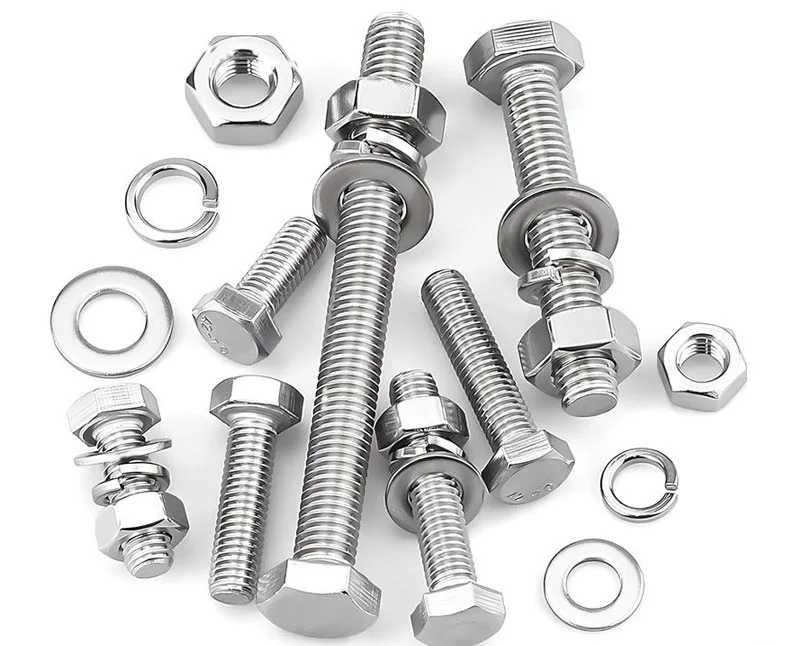


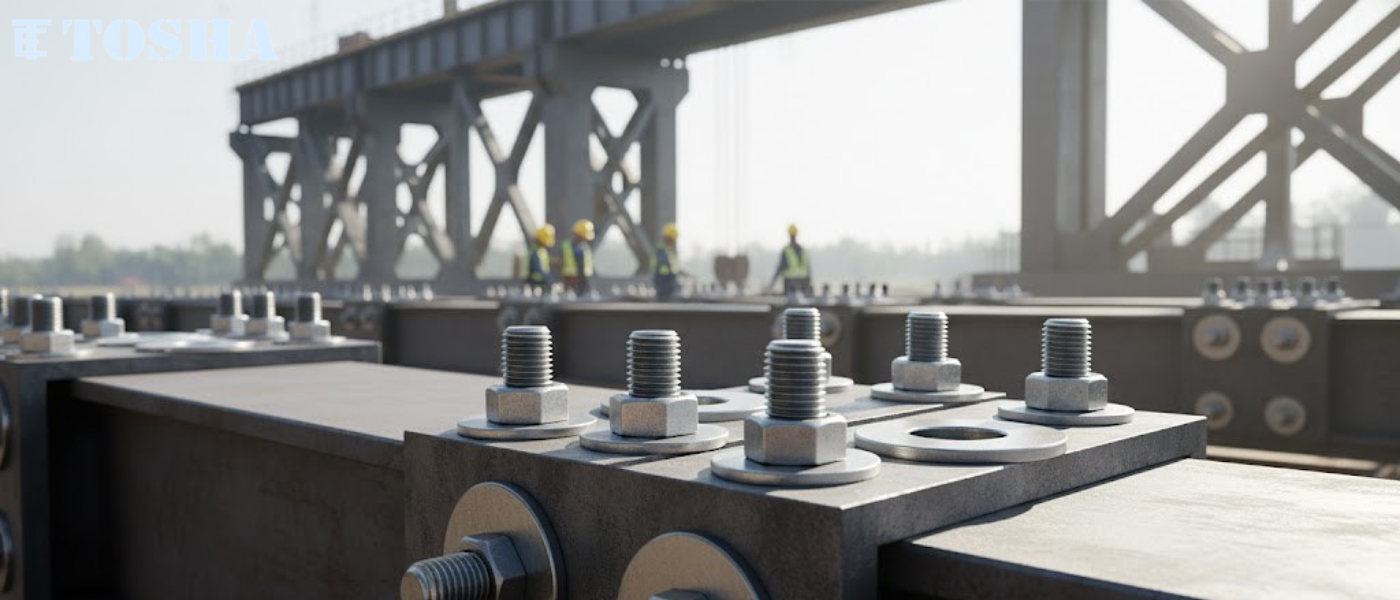
I once visited a fabrication yard where a massive steel frame was delayed for days because a few standard bolts failed torque testing. Nothing dramatic happened but it could’ve. Switching to certified structural bolts solved the issue almost instantly. Same design. Same crew. Much safer outcome. That’s the power of choosing the right fasteners.
Why Fasteners Matter More Than You Think
In heavy engineering projects bridges, power plants, refineries, heavy machinery fasteners aren’t just connectors. They’re load carriers. They absorb vibration. They manage stress. They hold alignment when structures expand, contract, and move under pressure.High Performance Fasteners are designed to handle extreme loads, temperature changes, corrosion, and constant vibration. Unlike standard hardware, they’re made from stronger materials, manufactured with tighter tolerances, and tested under real-world conditions. And when safeties on the line, that difference matters.
How They Improve On-Site Safety
1. Better Load Control
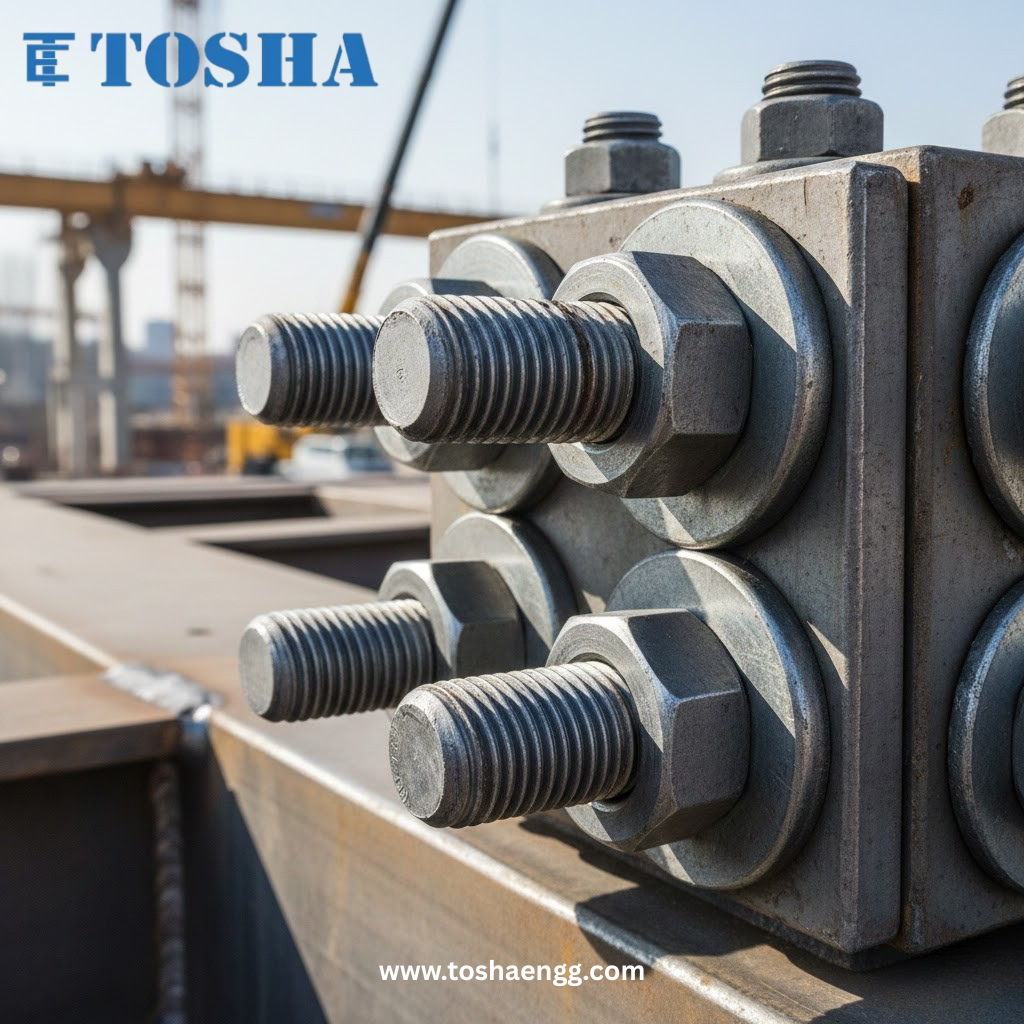
Load bearing fasteners distribute force evenly across joints, reducing stress concentration points. That means fewer cracks, less metal fatigue, and far lower risk of sudden joint failure especially in structural applications.2. Stronger Resistance to Vibration
Heavy machinery vibrates. Trains shake. Industrial plants hum nonstop. Industrial safety fasteners are designed to maintain clamping force under movement, preventing loosening that can lead to misalignment or collapse.3. Reliable Performance in Harsh Conditions
Corrosion weakens fasteners faster than most people expect. High performance coatings and alloy materials help structural bolts resist rust, chemicals, and moisture especially important in marine, chemical, and outdoor engineering projects.4. Predictable Torque and Tension
Precision-manufactured heavy engineering fasteners provide consistent torque behaviour during installation. That means engineers know exactly how much load each bolt is carrying and don’t have to guess or over-tighten.A Small Component with Big Responsibility
Fasteners don’t get much attention until something goes wrong. And honestly, that’s how it should be. The best fasteners are invisible because they work. They hold. They stay tight. They don’t complain. But choosing high performance fasteners from the start shifts safety from reactive to proactive. Instead of fixing failures, teams prevent them. Instead of downtime, projects move forward smoothly. And instead of risk, you get confidence the quiet, boring kind engineers actually love.Quick Tips for Safer Fastener Selection
- Match fastener grade to load requirements
- Choose corrosion-resistant materials for harsh environments
- Verify torque specs and testing certifications
- Never substitute structural bolts with general hardware
Also Read: Threaded Rods Explained: Types, Uses & How to Choose the Right One
Conclusion
High-performance fasteners may be small, but their impact on safety is massive. By handling heavy loads, resisting vibration, and staying reliable in harsh conditions, they quietly protect structures, equipment, and people every day. Choosing the right fasteners isn’t just a technical decision, it’s a safety decision. And in heavy engineering, that choice makes all the difference.