

At Tosha Engineering Private Limited, we’ve seen firsthand how the right threaded rod can make or break a project literally. So, let’s break it down in simple terms.
What is Threaded Rod?
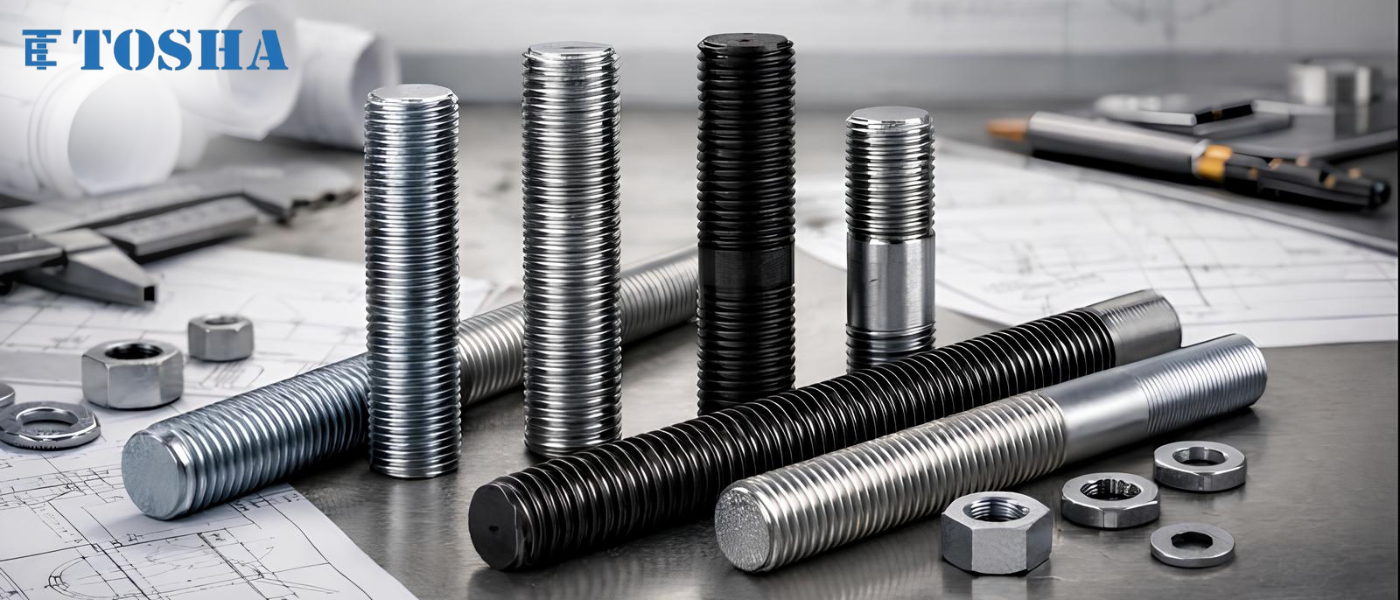
Threaded rod (also called stud rods or fully threaded studs) is straight metal rod with continuous threads along their entire length. Unlike bolts, they don’t have heads, which means they’re super flexible in how they’re used with nuts on either side, embedded into concrete, or paired with anchors. They’re commonly used in:- Structural steel connections
- HVAC installations
- Electrical supports
- Plumbing systems
- Machinery mounting
Types of Threaded Rods You Should Know
Not all threaded rods are the same. Choosing the wrong type is one of those small mistakes that can lead to big headaches later. Here are the most common ones:1. Stainless Steel Threaded Rods
Perfect for corrosive environments like coastal areas, chemical plants, or food-grade applications. These resist rust and last longer outdoors.2. Mild Steel Threaded Rods
Affordable and widely used in general construction and industrial setups where corrosion isn’t a big concern.3. High Tensile Threaded Rods
Used where high strength is required bridges, heavy machinery, and structural connections.4. Double End Studs
Threaded only on both ends, often used in flanges, pumps, and motors.5. Fully Threaded Studs
Threaded throughout the length ideal for adjustable fastening and anchoring applications.Common Applications of Threaded Rods
Let’s make this real-world. Imagine installing ducting in a commercial building. You’re hanging heavy equipment from ceilings threaded rods + anchors = stable, adjustable support. Or think of machinery alignment in a factory threaded rods make height and tension adjustments simple. Some of the most common uses include:- Concrete Anchoring
- Structural Steel frameworks
- Pipe Supports and HVAC Systems
- Electrical Cable Trays
- Industrial Equipment Mounting
How to Choose the Right Threaded Rod
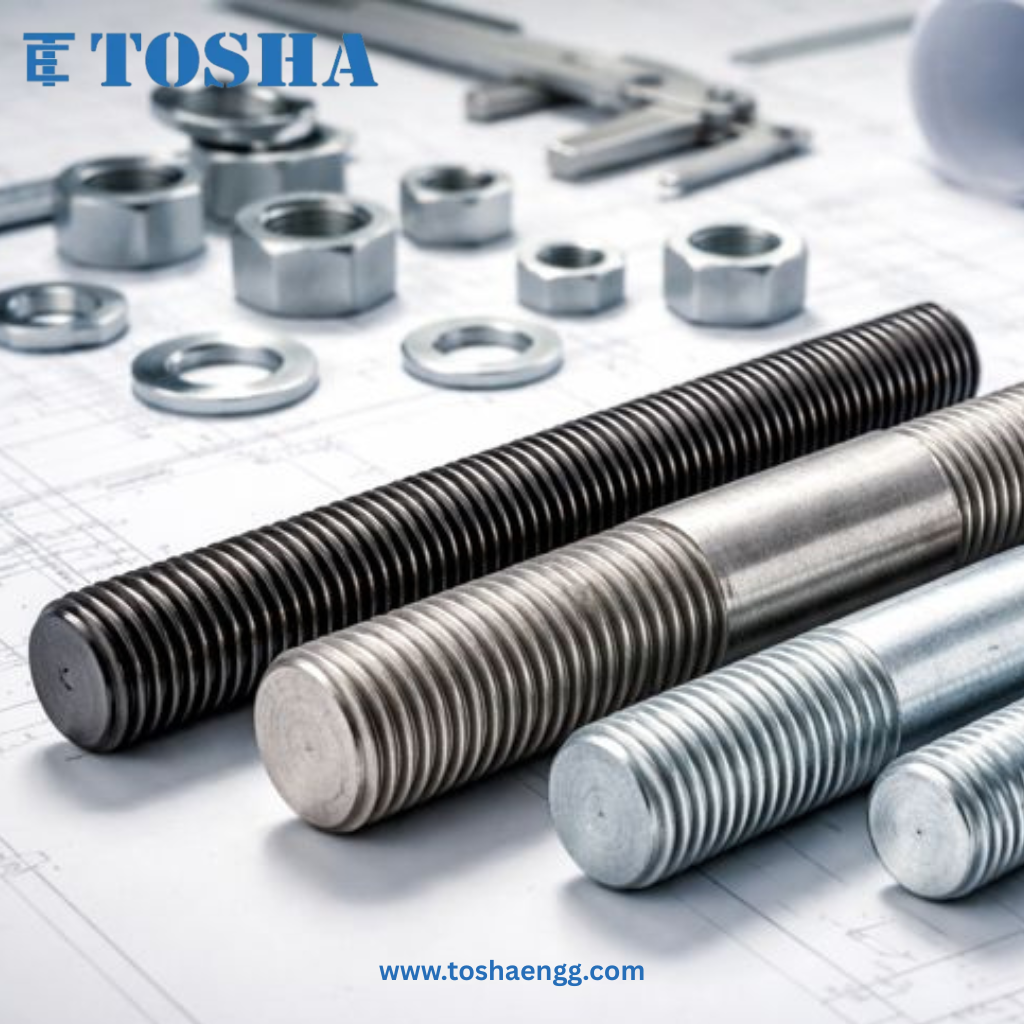
This is where many buyers go wrong and end up replacing parts later. Here’s what actually matters:- Material: Stainless steel for corrosion resistance. Carbon steel for general use. High tensile for heavy loads.
- Thread Type: Metric or imperial depends on your assembly system.
- Diameter & Length: Bigger load = thicker rod. Longer spans = longer rods.
- Coating & Finish: Zinc plated, hot dip galvanized, or plain each impacts durability and lifespan.
Why Choose a Reliable Threaded Rod Manufacturer?
Here’s something most people don’t realize until something fails not all threaded rods are manufactured with the same tolerances, thread accuracy, or material standards.A trusted threaded rod manufacturer ensures:
- Consistent threading
- Proper mechanical strength
- Material certification
- Dimensional accuracy
- Long-term reliability
Threaded Rods vs Bolts, What’s the Difference?
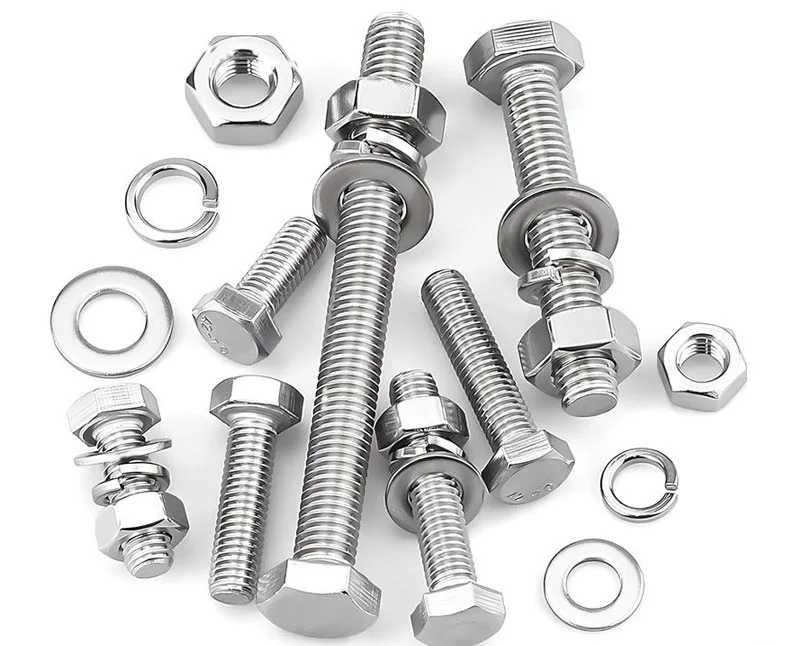
Quick comparison:- Threaded rods: No head, full-length threading, adjustable fastening on both ends.
- Bolts: Headed fasteners, used for fixed joints.
Also Read: Fastener Screws & Bolts: Tiny Parts, Massive Impact
Final Thoughts
Threaded rods might look basic, but they’re anything but. They’re one of the most versatile fastening components in construction and industrial engineering and choosing the right type can significantly impact safety, performance, and durability.
Whether you need stainless steel Threaded rods, high tensile studs, or custom-engineered solutions, working with a reliable threaded rod supplier in India makes all the difference. If you’re planning your next project and want fastening solutions, you don’t have to worry about later you’re already thinking in the right direction.