

That’s where Stud Bolts Manufacturers step in. They don’t just produce metal rods with threads. They create fastening components that handle pressure, vibration, heat, and serious load. And in heavy-duty industries, that’s not optional it’s critical.
What are Stud Bolts and Why Do They Matter?
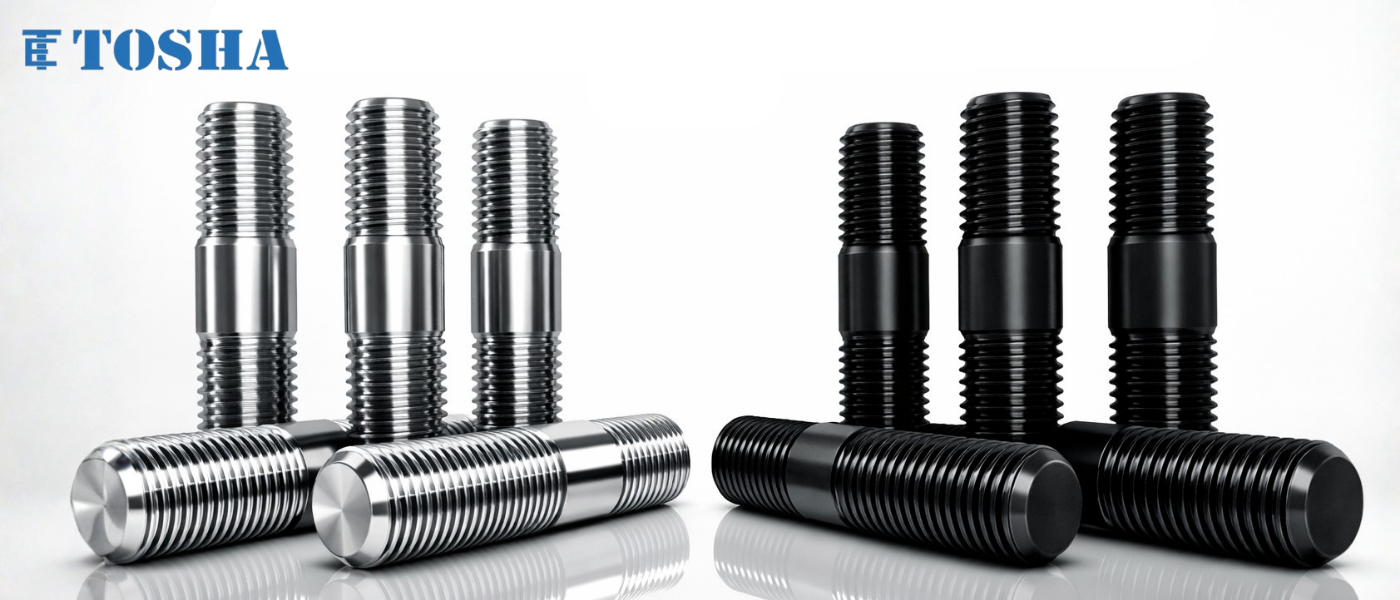
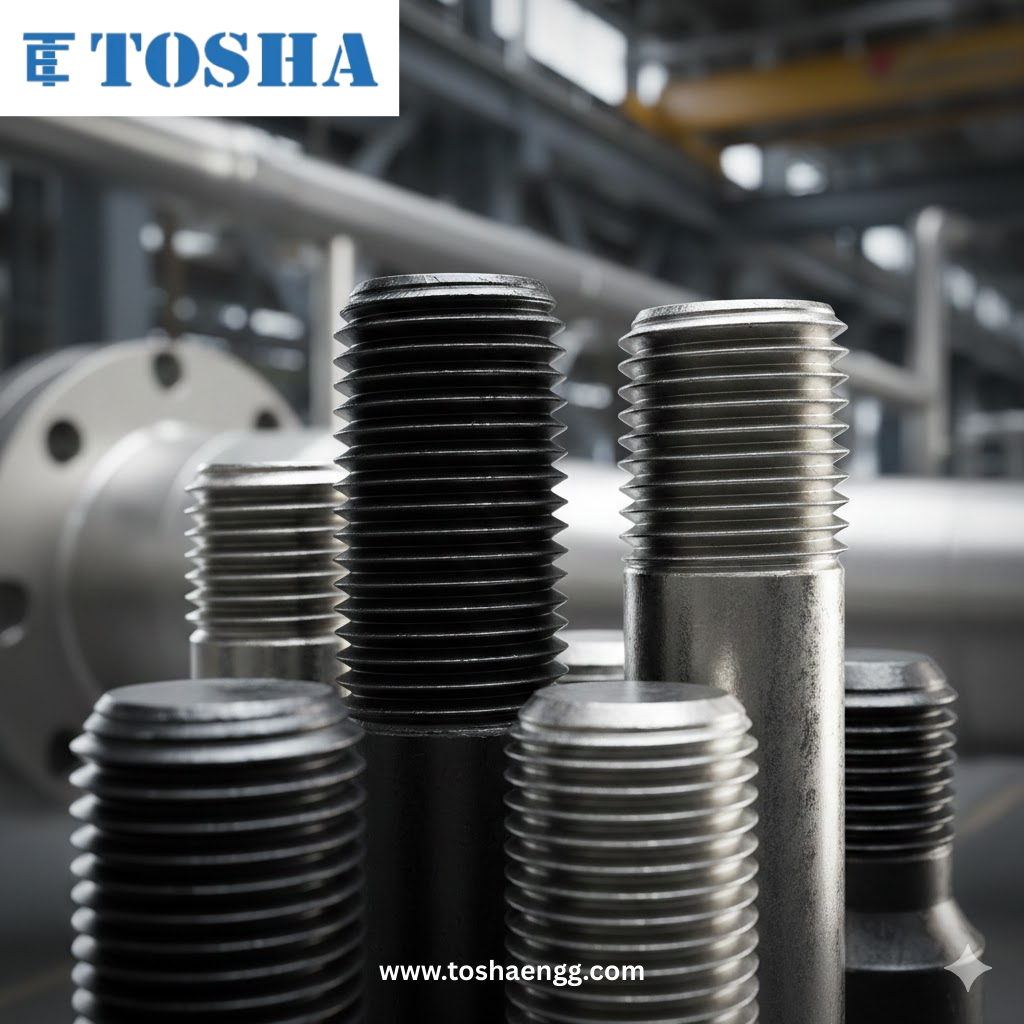
Stud bolts are long threaded rods, typically threaded on both ends (and sometimes fully threaded). They’re used with two nuts to clamp components together securely. Unlike regular bolts, they don’t have a head. That design gives them better load distribution and stronger clamping force.You’ll often hear terms like Threaded Stud Bolts or Flange Stud Bolts in industrial settings. These are commonly used in pipeline flanges, pressure vessels, and structural joints where reliability isn’t negotiable.
I once visited a fabrication unit where a small flange leak caused hours of downtime. The issue? Incorrect bolt grade selection. That’s when it really hits you the right stud bolt isn’t just a detail. It’s the difference between smooth operation and expensive repair.
Common Applications of Stud Bolts
Stud bolts are part of serious Industrial Bolting Solutions. They’re widely used in:- Oil & Gas Pipelines
- Petrochemical Plants
- Power Generation Units
- Heavy Machinery Assembly
- Structural Steel Connections
Grades and Materials, Why They’re Important
Not all stud bolts are created equal. The grade determines strength, temperature resistance, and performance.Carbon Steel Grades
Common for general industrial use. Strong and cost-effective for moderate environments.Alloy Steel Grades
Used in high-temperature and high-pressure applications. These are typical in oil refineries and power plants.Stainless Steel Grades
Best for corrosion resistance. Ideal in marine or chemical environments where rust would be a serious issue.Reputable Stud Bolts Manufacturers ensure proper heat treatment, threading accuracy, and material testing. Because in heavy-duty fastening, “almost right” isn’t good enough.
What to Look for in Stud Bolts Manufacturers
Choosing the right supplier matters just as much as choosing the right grade. Look for manufacturers who:- Follow international standards
- Provide material test certificates
- Offer precise threading and finishing
- Understand industry-specific requirements
Also Read: Socket Set Screws: Types, Applications & How to Choose the Right One
Conclusion
Heavy industries rely on strength, precision, and reliability. That’s exactly why Stud Bolts Manufacturers play such a crucial role in modern infrastructure. From High Tensile Stud Bolts in structural assemblies to Flange Stud Bolts in high-pressure pipelines, these fastening components hold critical systems together. Choosing the right grade and the right manufacturer ensures long-term performance, safety, and peace of mind. Sometimes, the strongest structures stand tall because of the smallest, most dependable parts holding them in place.