

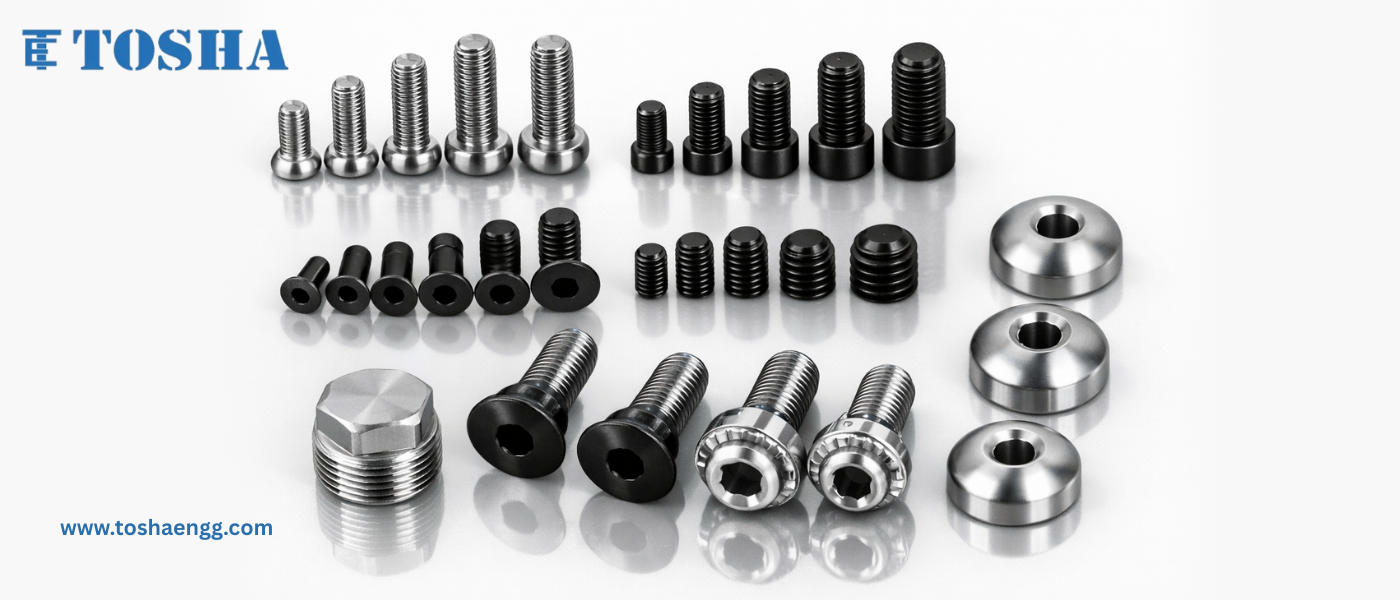
When it comes to holding mechanical parts firmly in place, Socket Set Screws may be small but they’re doing some serious heavy lifting behind the scenes. These compact fasteners are commonly used to secure components like gears, pulleys, and collars onto shafts. And the best part? They sit flush with or below the surface, keeping assemblies neat and obstruction-free.
Let’s walk through what they are, where they’re used, and how to choose the right one in plain, simple language.
Let’s walk through what they are, where they’re used, and how to choose the right one in plain, simple language.
What is Socket Set Screws?
Socket Set Screws are headless screws designed to secure one object inside or against another. Instead of a traditional screw head, they feature a hexagonal drive that fits an Allen key which is why they’re often called Allen Set Screws or Hex Socket Set Screws.
Unlike bolts that clamp two parts together, these screws apply pressure to hold a component in place. Once tightened, they stay hidden inside the material, making them ideal for applications where space is limited or appearance matters. They’re commonly classified as Threaded Locking Screws because their main purpose is to prevent movement between parts.
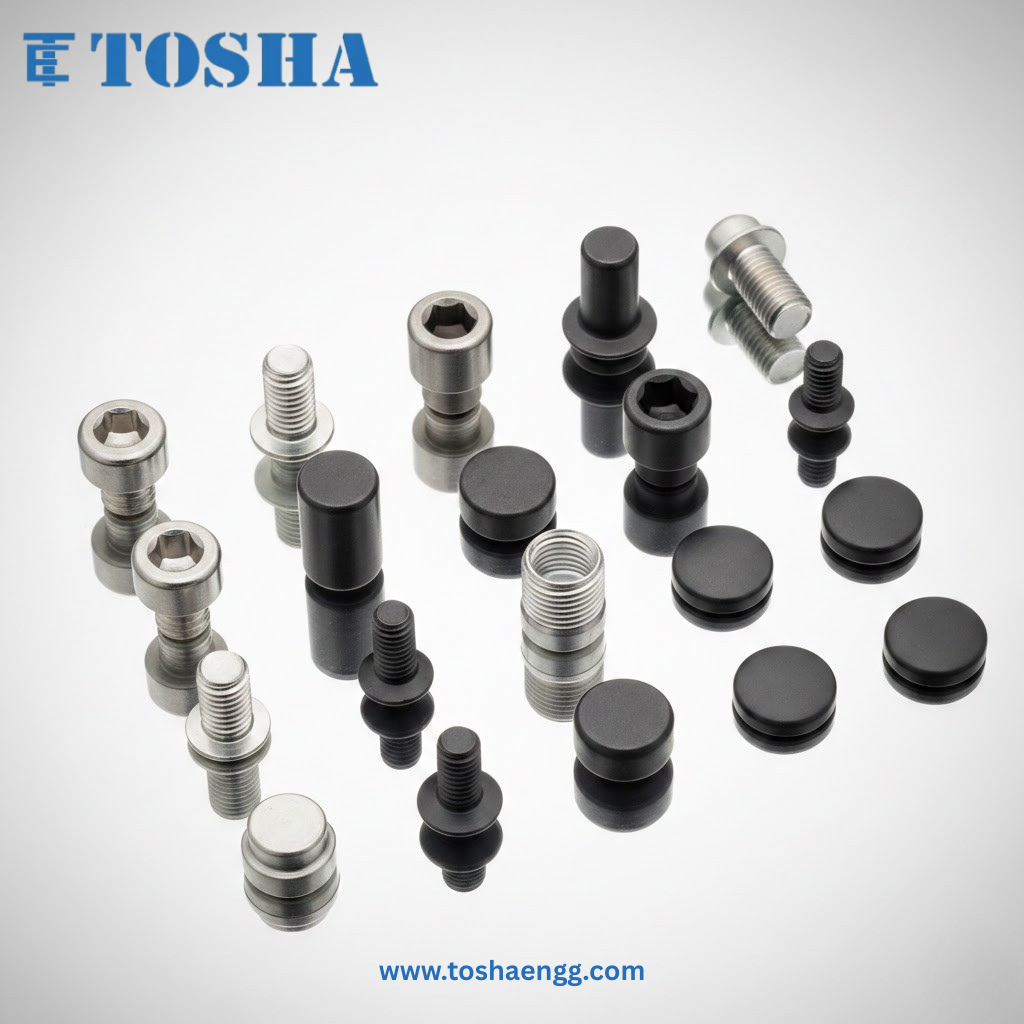
Unlike bolts that clamp two parts together, these screws apply pressure to hold a component in place. Once tightened, they stay hidden inside the material, making them ideal for applications where space is limited or appearance matters. They’re commonly classified as Threaded Locking Screws because their main purpose is to prevent movement between parts.
Types of Sockets and Set Screws
Different projects require different tip styles. The tip design directly affects grip strength and surface impact.
Cup Point
The most commonly used type. The rounded, hollow tip digs slightly into the material for a secure hold. Frequently used in Industrial Set Screws applications.
Flat Point
Features a flat end that presses against the surface without penetrating it. Best for situations where surface damage must be avoided.
Cone Point
Sharp and pointed, this type provides strong holding power and is suitable for permanent positioning.
Dog Point
Includes a small extended tip that fits into a pre-drilled hole for precise alignment. Often used in Precision Fastening Components setups. Each type serves a specific mechanical need so the “right” one really depends on the job.
Applications of Socket Set Screws
You’ll find Socket Set Screws in a wide range of industries, including:
- Automotive Assemblies
- Industrial Machinery
- Robotics and Automation
- Electrical Equipment
- Manufacturing Units
They are especially useful where rotational parts must remain locked in place. Compared to Button head screws or Socket caps, which usually fasten two parts together externally, set screws are designed for internal locking and positioning. Their ability to stay flush makes them perfect for tight spaces where protruding heads would interfere with movement.
How to Choose the Right Socket Set Screw
Selecting the right screw doesn’t have to be complicated. Here are the key factors to consider:
Material Compatibility
For high-strength applications, alloy steel is commonly used. For environments exposed to moisture, stainless steel is often preferred.
Holding Strength
Cup and cone points provide stronger grip. Flat points are better when surface protection is important.
Environment
High vibration? Choose a screw designed for secure locking. Corrosive conditions? Opt for corrosion-resistant material.
Space Requirements
If flush finishing is essential, Hex Socket Set Screws are ideal due to their headless design.
Also Read: Top 7 Mistakes Buyers Make While Choosing Nuts & Bolts and How to Avoid Them
Conclusion
Stainless Steel Socket Set Screws may look simply, but they play a critical role in mechanical stability and precision. Whether used as Threaded Locking Screws in heavy machinery or as part of fine Precision Fastening Components, their design ensures secure, flush, and reliable fastening. Choosing the right type depends on material, environment, and the level of grip required. When selected carefully, these small fasteners provide dependable performance across countless applications.
Also Read: Top 7 Mistakes Buyers Make While Choosing Nuts & Bolts and How to Avoid Them
Conclusion
Stainless Steel Socket Set Screws may look simply, but they play a critical role in mechanical stability and precision. Whether used as Threaded Locking Screws in heavy machinery or as part of fine Precision Fastening Components, their design ensures secure, flush, and reliable fastening. Choosing the right type depends on material, environment, and the level of grip required. When selected carefully, these small fasteners provide dependable performance across countless applications.
FAQs About Socket and Set Screws
Q1. What is Socket Set Screws used for?
Ans: They are used to secure one component inside or against another, commonly in shafts, gears, and pulleys.
Q2. Are Allen-Set Screws different from Socket Set Screws?
Ans: No. Allen Set Screws and Socket Set Screws refer to the same type of fastener driven by a hex key.
Q3. Where are Industrial Set Screws commonly applied?
Ans: They are widely used in machinery, automotive systems, robotics, and precision mechanical equipment.