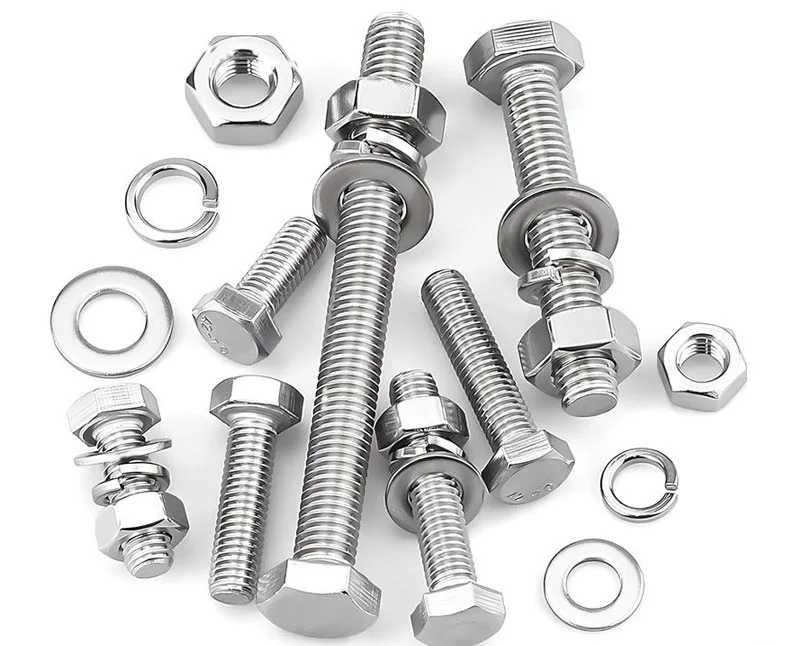


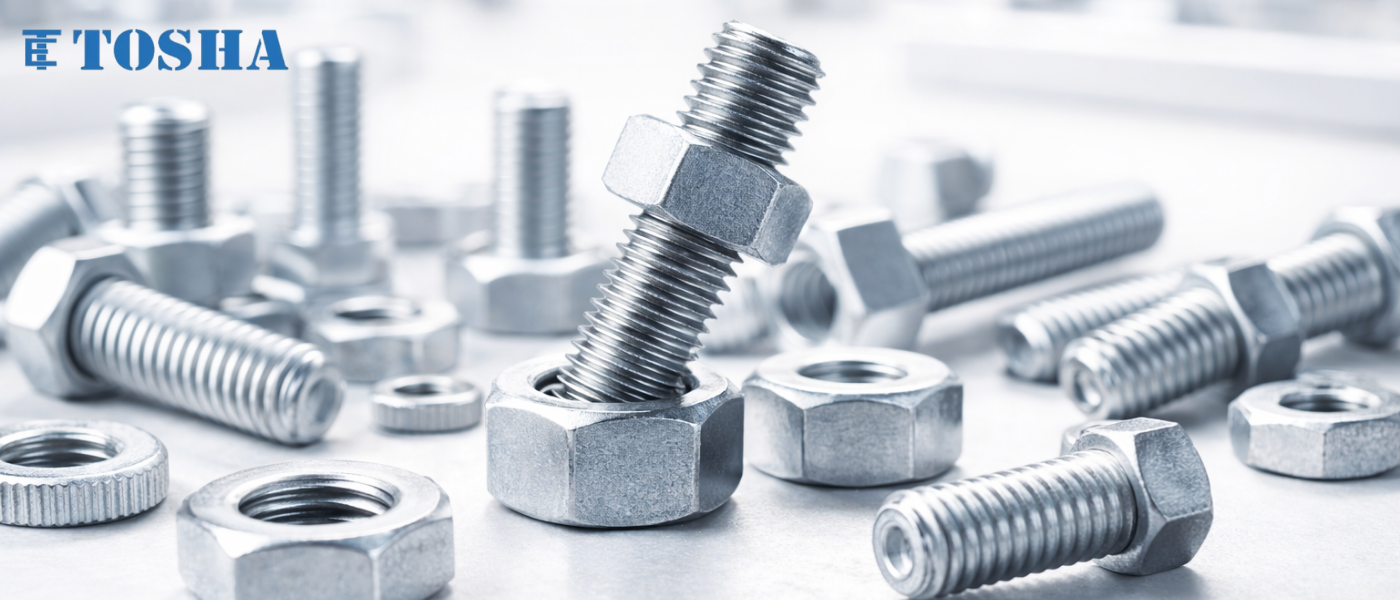
If you’re buying for industrial, construction, or engineering use, here are the top 7 mistakes buyers make and how you can dodge them without becoming a materials science expert.
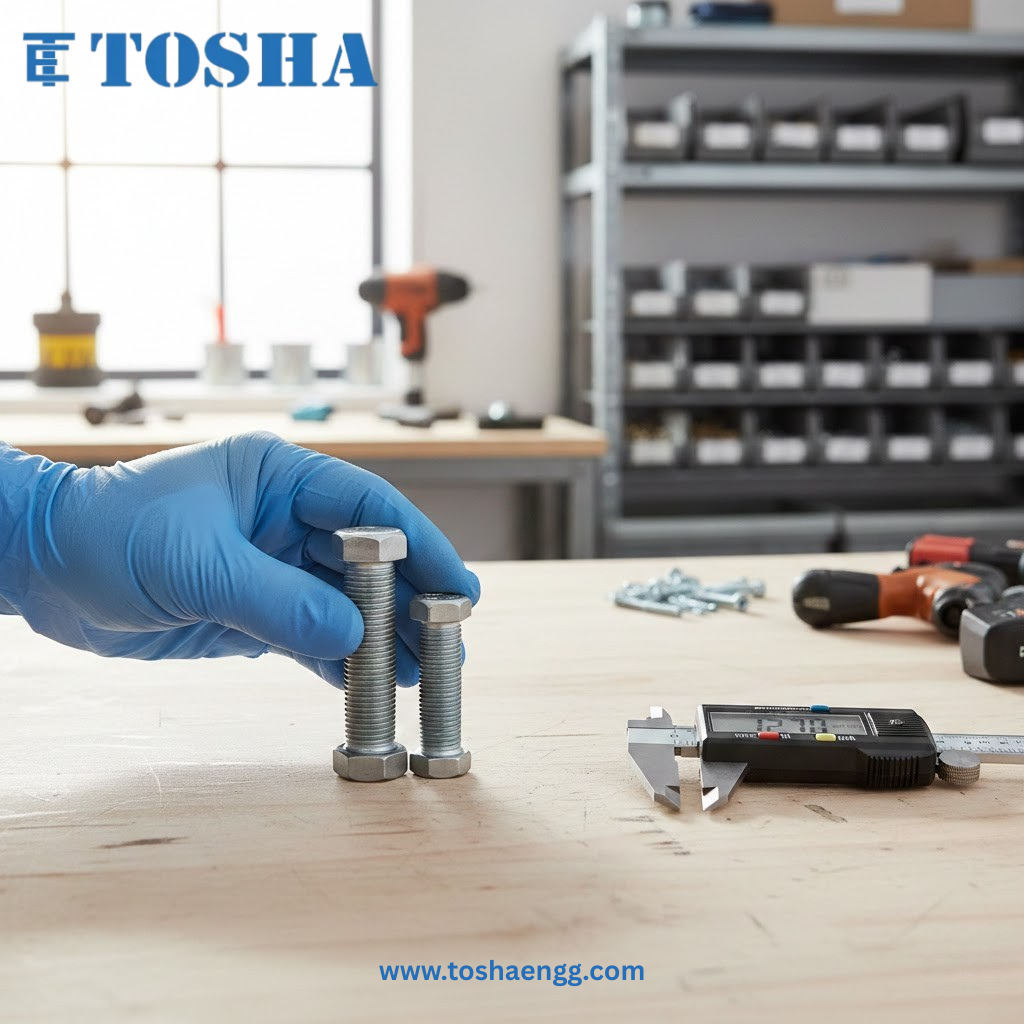
Choosing Industrial Nuts & Bolts? Don’t Make These 7 Costly Errors
1. Ignoring Load Requirements
This one’s big. Using bolts that can’t handle the actual load is like wearing flip-flops to a construction site technically footwear, but not the right kind. Always check tensile strength and shear load ratings. A solid fastener selection guide can save you from expensive rework later.2. Choosing the Wrong Material Grade
Not all steel is the same, and stainless doesn’t automatically mean stronger, Different fastener material grades exist for a reason heat resistance, corrosion resistance, fatigue life, you name it. If your bolts live outdoors, near chemicals, or inside vibrating machinery, material choice becomes mission critical.3. Focusing Only on Price (Instead of Value)
We’ve all done it gone for the cheaper option thinking; It’s just a bolt. But lower-quality fasteners often mean:- More replacements
- More maintenance
- More downtime
4. Forgetting About Environment Conditions
Humidity, heat, chemicals, salt air these things quietly destroy fasteners over time. If you’re not factoring in where the bolt will live, you’re basically gambling with corrosion, seizure, and fatigue failure. And those don’t give warning signs. They just… happen.5. Overlooking Thread Type and Fit
Coarse threads vs fine threads. Metric vs imperial. Sounds minor until things don’t fit. Wrong thread selection can lead to stripping, loosening, or cross-threading. And once that happens, the connection’s never quite the same again.6. Not Asking for Certifications or Test Reports
This one surprises a lot of buyers. Good engineering fasteners come with documentation material test certificates, mechanical properties, and compliance with standards. If your supplier can’t provide that, it’s usually a red flag, not a paperwork issue.7. Assuming One Bolt Works for Every Job
Fasteners aren’t one-size-fits-all. Structural joints, rotating machinery, pressure vessels each application needs something different. Choosing the right nuts and bolts means matching load + environment + movement + lifespan. Miss one, and you’re guessing instead of engineering.How to Make Better Fastener Choices (Without Overthinking It)
Here’s a simple mental checklist:- What load will it carry?
- Where will it be used?
- How long should it last?
- Does the supplier provide proper specs?